
Reforestation Altendorf 2025 (Germany)
LEADER Region Voreifel
Deutsche Kinderdirekthilfe
Local school (OGS Altendorf)
Climate resilience
Biodiversity
Environmental education
Background
The project focuses on restoring a degraded forest area through climate-adapted reforestation and community engagement.
Key elements include:
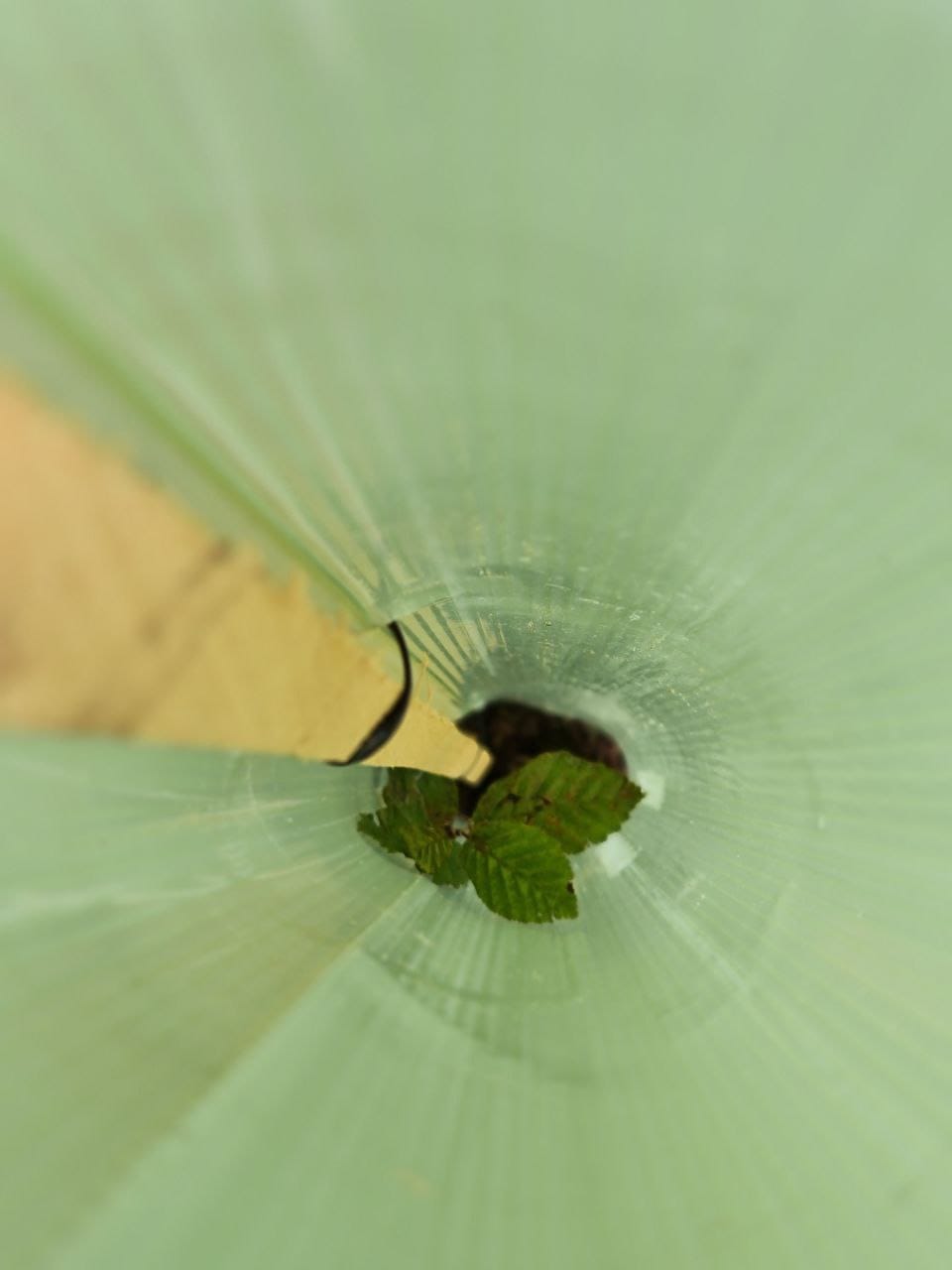
- planting of approximately 300 climate-resilient, site-adapted tree species
- establishment of two structured planting zones (“forest islands”)
- allowing natural succession on the remaining area
- improving water retention and soil stability
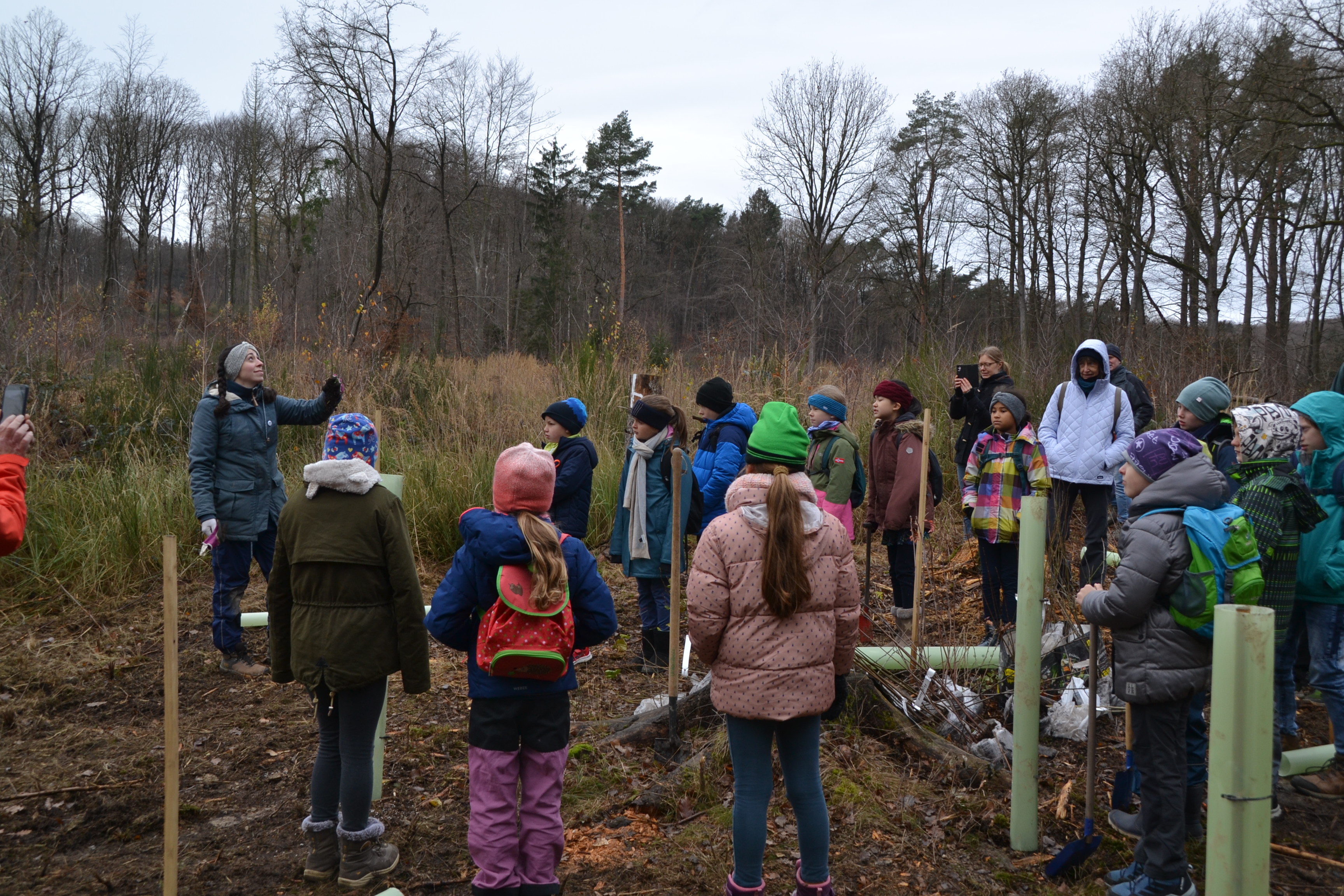
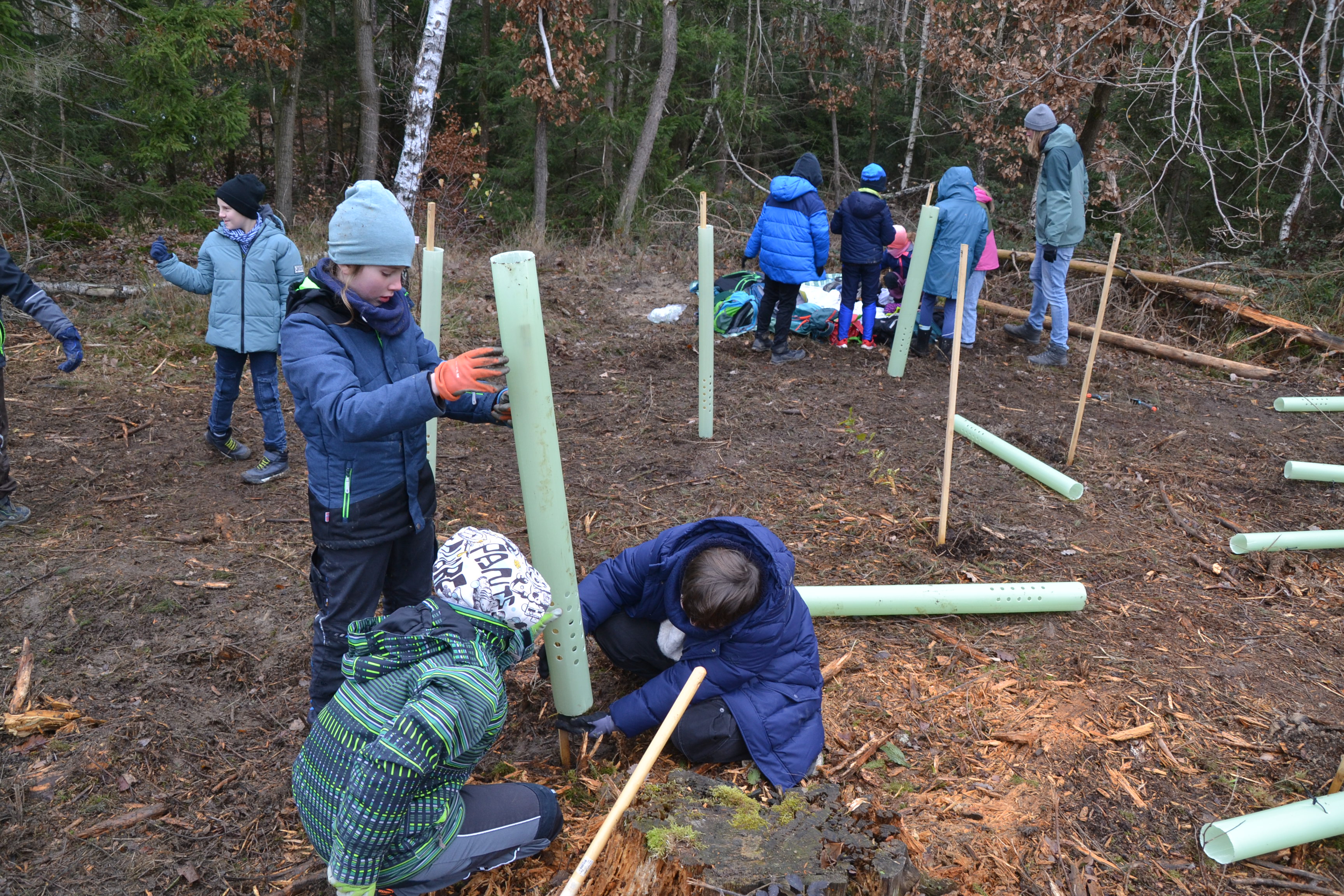
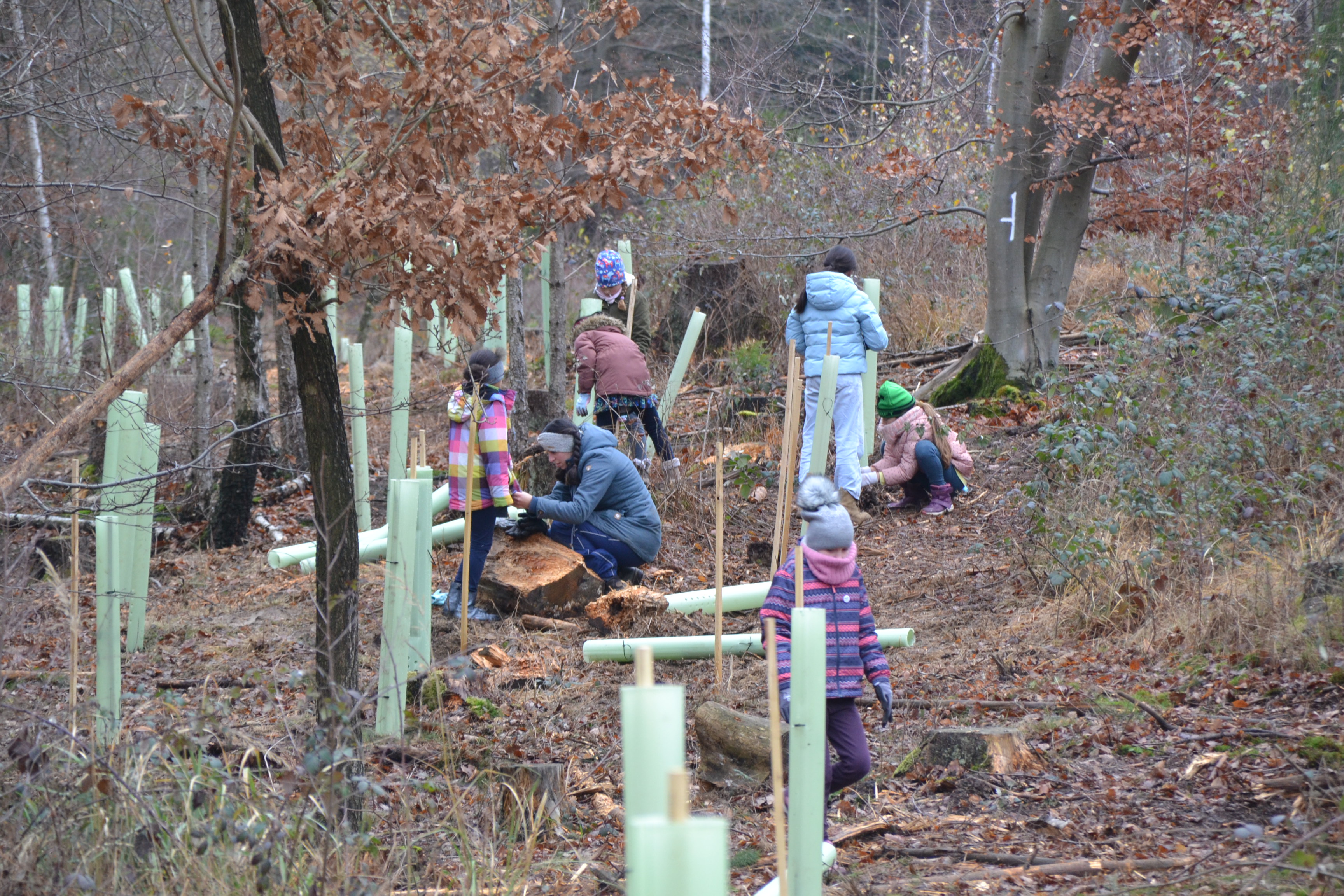
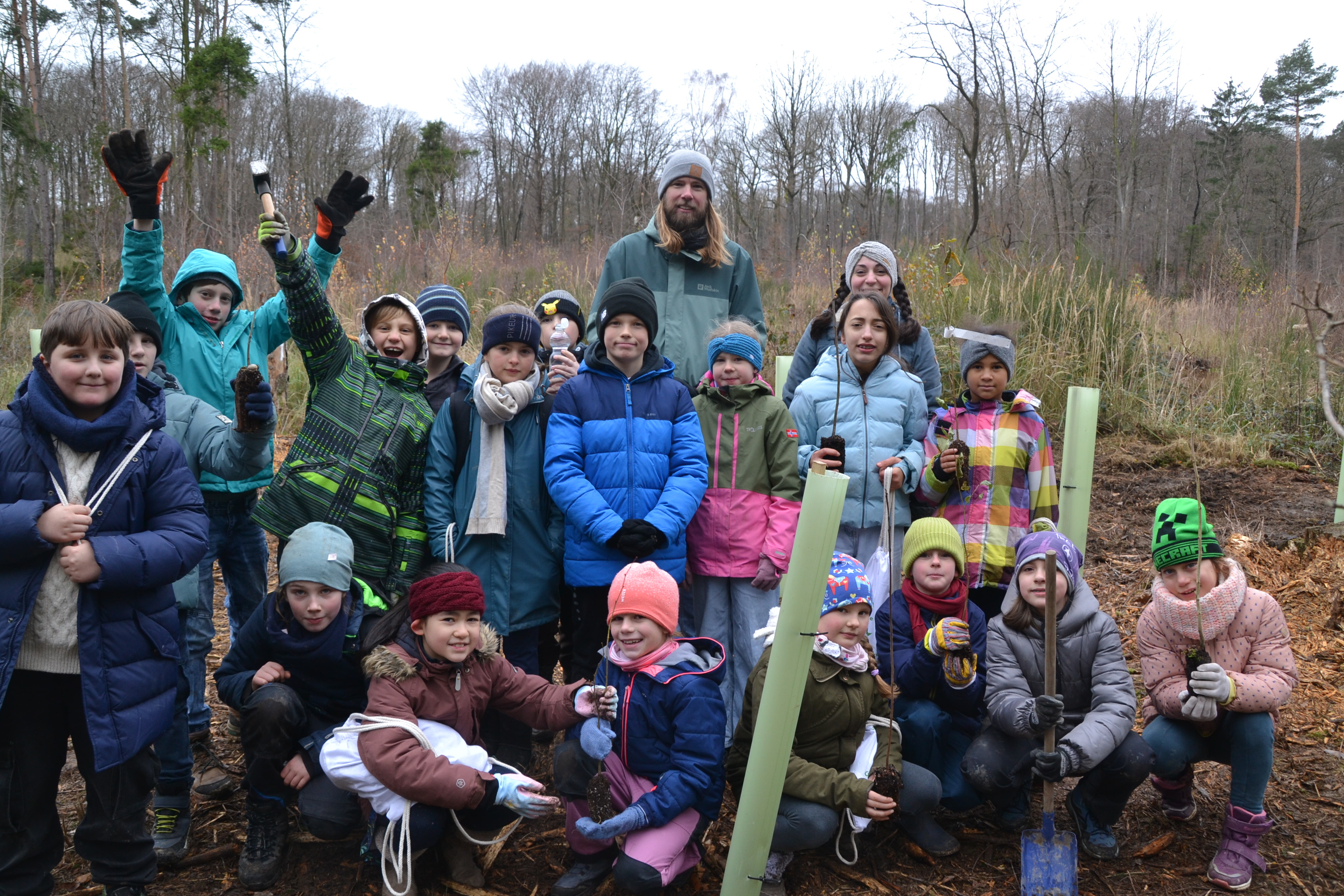
The planting activities are carried out together with local schoolchildren and volunteers, turning reforestation into a shared, hands-on experience.
What we do
In recent years, large forest areas in Germany have been severely affected by drought and bark beetle infestation. Monoculture spruce forests in particular have proven highly vulnerable, leaving behind degraded and ecologically unstable landscapes.
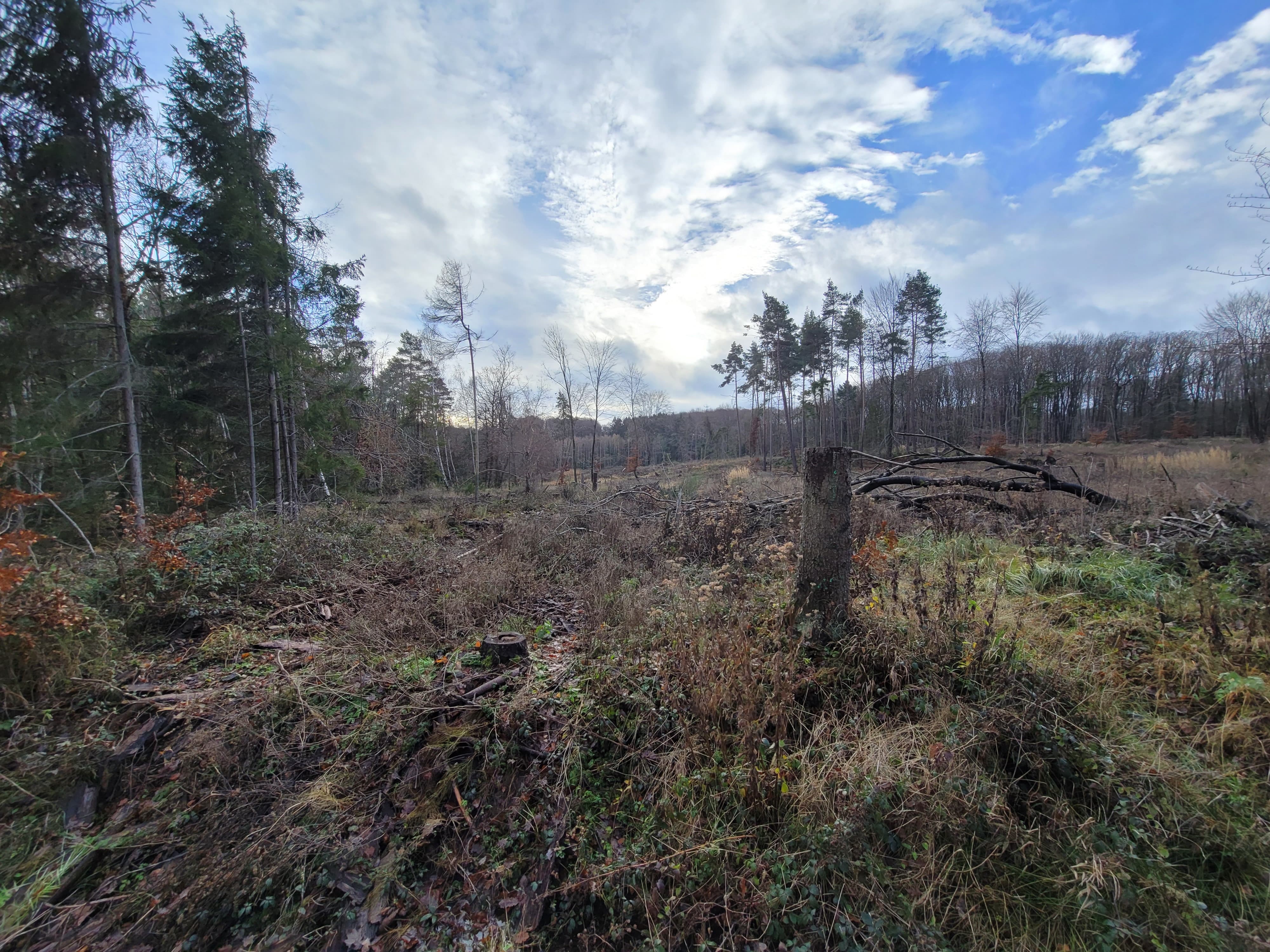
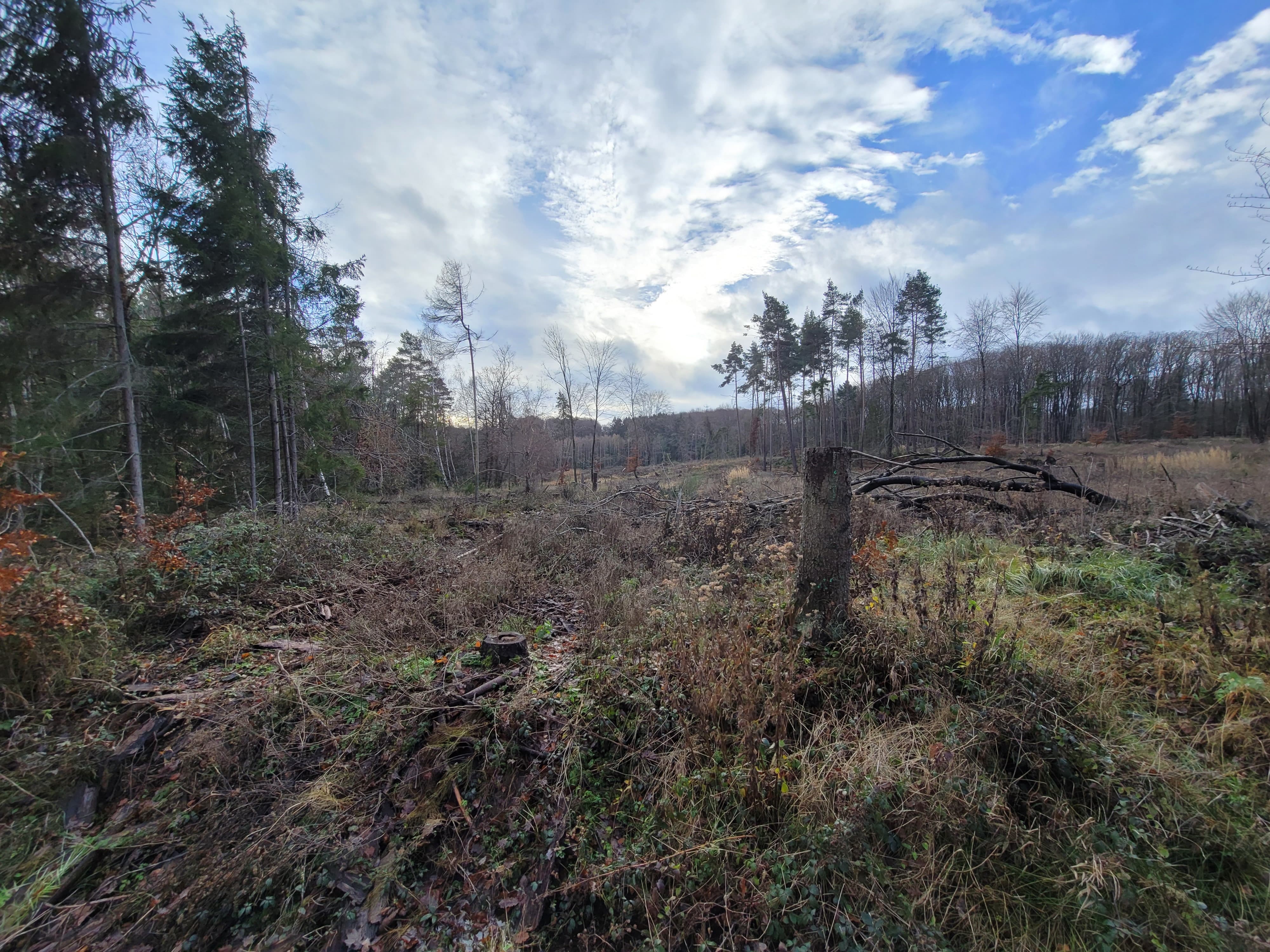
The project site in Altendorf is one such area. After the collapse of the original forest, the land was made available by the private owner for ecological restoration.
This creates the opportunity to establish a new type of forest—more diverse, more resilient, and better adapted to future climate conditions.
Why it matters
Restoring local forest ecosystems contributes to addressing both environmental and societal challenges.
Ecological benefits include:
- restoration of degraded land
- improved water retention and soil quality
- increased biodiversity
- enhanced resilience to climate change
Social and educational benefits include:
- hands-on environmental education for children
- increased awareness of climate change at the local level
- active participation of volunteers and community members
By linking ecological restoration with public engagement, the project creates long-term value beyond the planting itself.
Partners
The project is implemented through close cooperation between local stakeholders:
Private forest owner
Provision of the project area
LEADER Region Voreifel
Financial support through regional funding
Deutsche Kinderdirekthilfe (DKD)
Support for educational and youth-related activities
Local school (OGS Altendorf)
Active participation of children in planting activities
Forestry partners
Technical support and preparation of the site
The strong involvement of local actors ensures both practical implementation and long-term identification with the project.
Implementation
The planting activities took place in autumn 2025 and were carried out in several stages.
Despite logistical challenges, all planned seedlings were successfully planted by the end of November. The process was supported by forestry professionals and local partners to ensure proper planting and long-term viability.
A key feature of the implementation was the active participation of children and volunteers, making climate protection a visible and shared experience.
Outlook
The newly established forest will develop over time into a stable and diverse ecosystem.
Future activities focus on:
- monitoring plant growth and survival rates
- supporting natural regeneration processes
- maintaining community involvement
- evaluating ecological and educational impacts
In the long term, the project can serve as a model for combining local reforestation with environmental education and public engagement.