
Brazil Adopt-Rio 2025
Rio de Janeiro
Adote o Rio
Environmental education
Background
The coastal areas of Rio de Janeiro host unique ecosystems known as restinga, a type of vegetation adapted to sandy soils, strong winds and salt exposure. These ecosystems are highly valuable for biodiversity and play an important role in stabilizing dunes and protecting the coastline.
However, many restinga areas have been degraded by urban expansion, trampling and the introduction of invasive species. At Praia da Macumba, sections of the coastal vegetation had lost much of their native plant cover and ecological functionality.
Restoring these areas is important not only for biodiversity, but also for strengthening natural coastal protection and raising public awareness about the value of these fragile ecosystems.
What we do
The Adote Rio project focuses on the restoration of native restinga vegetation and the involvement of local communities.
Activities include:
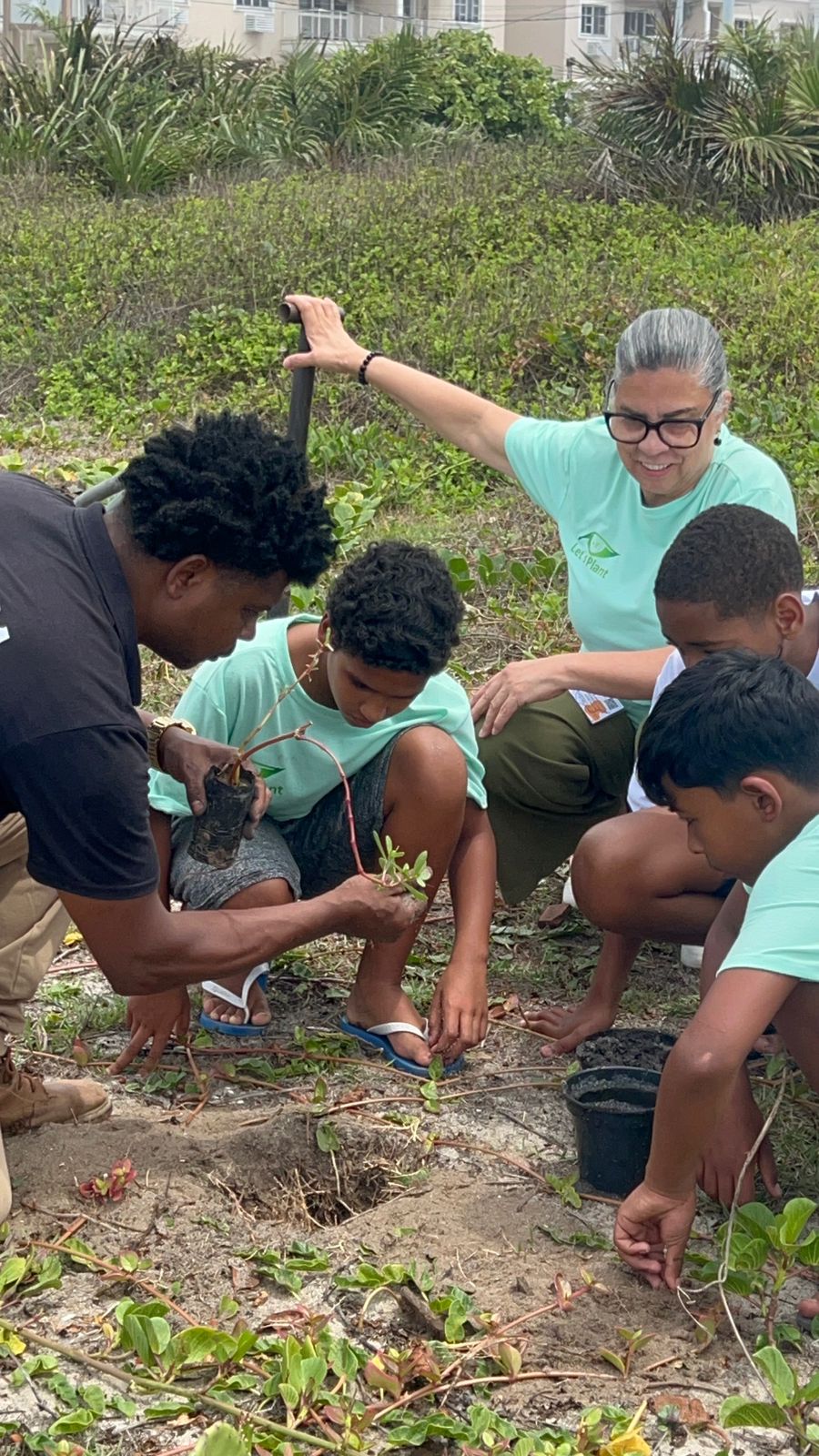
- planting native coastal species adapted to sandy soils
- restoring degraded patches of restinga vegetation
- environmental education activities with young people
- public awareness about the ecological importance of coastal vegetation
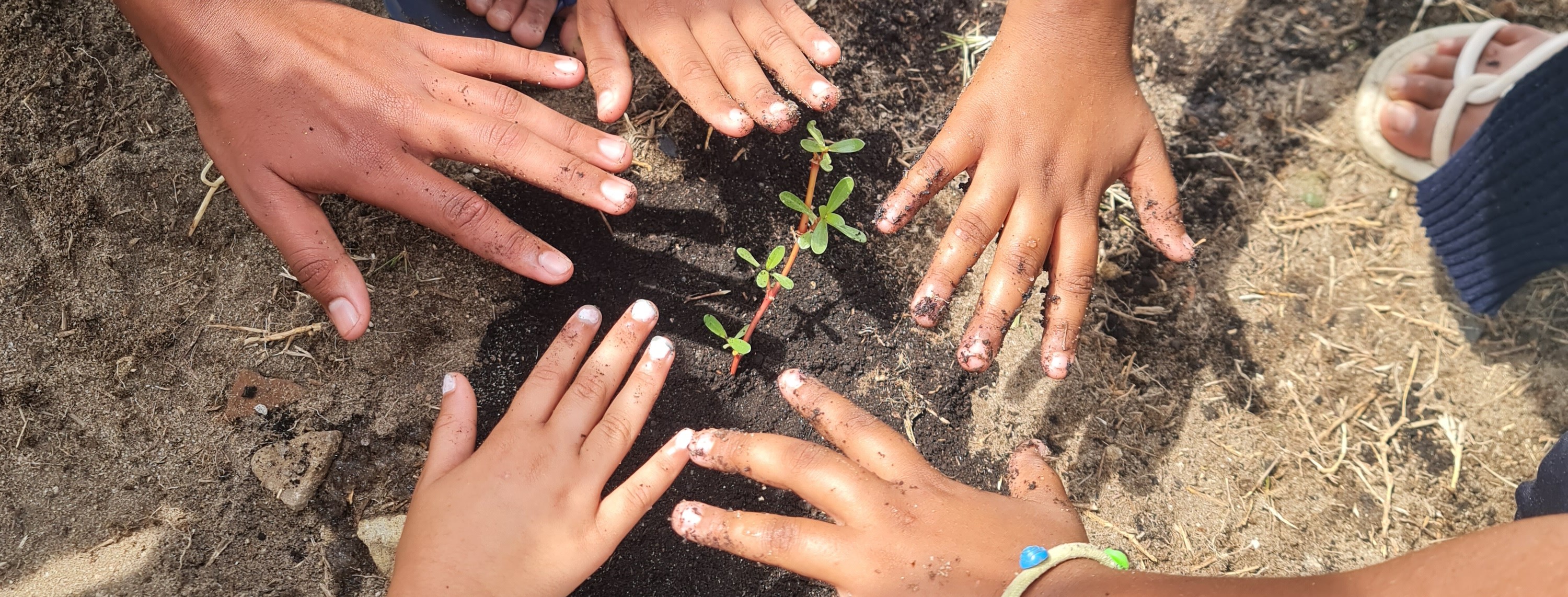
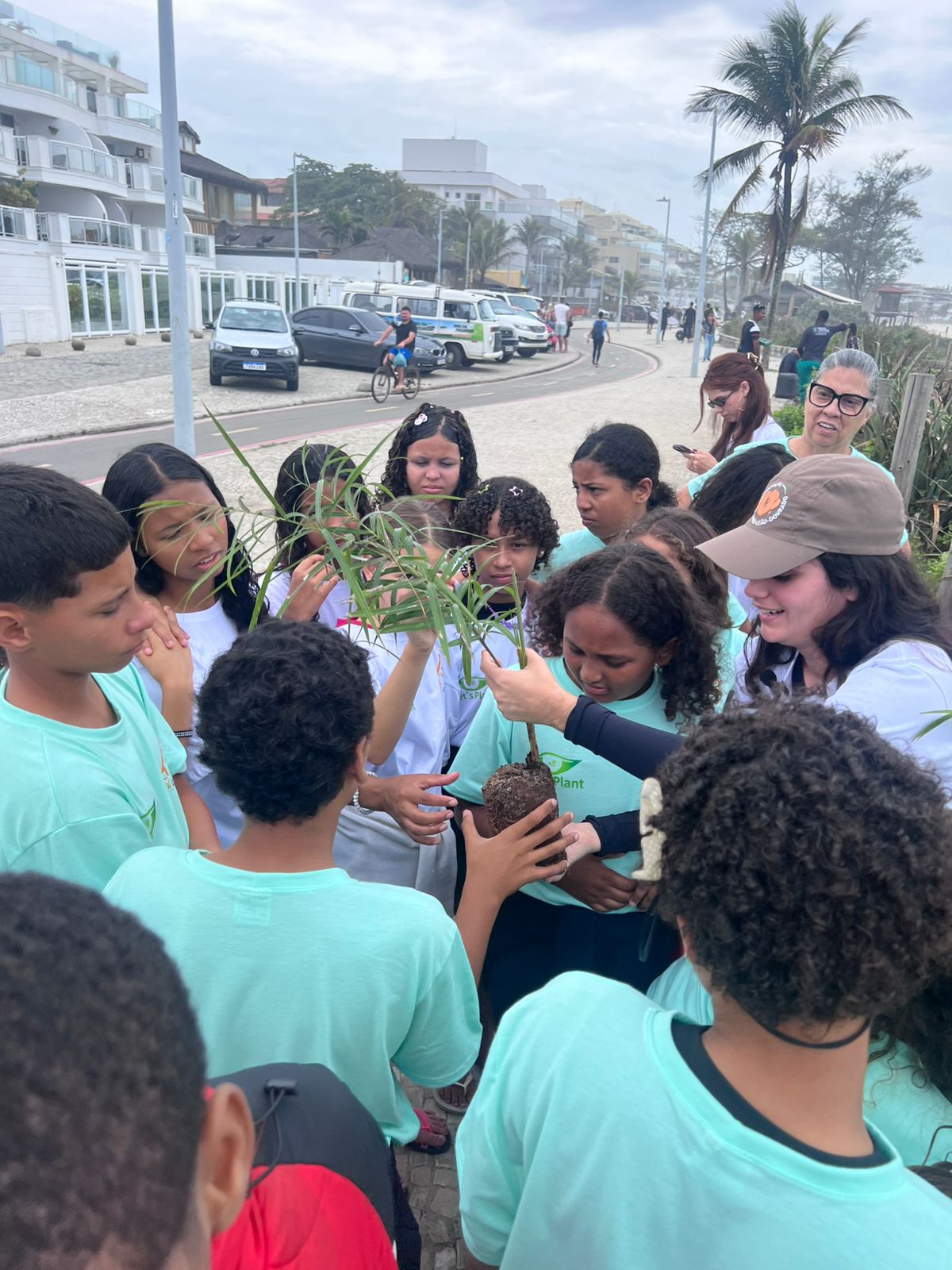
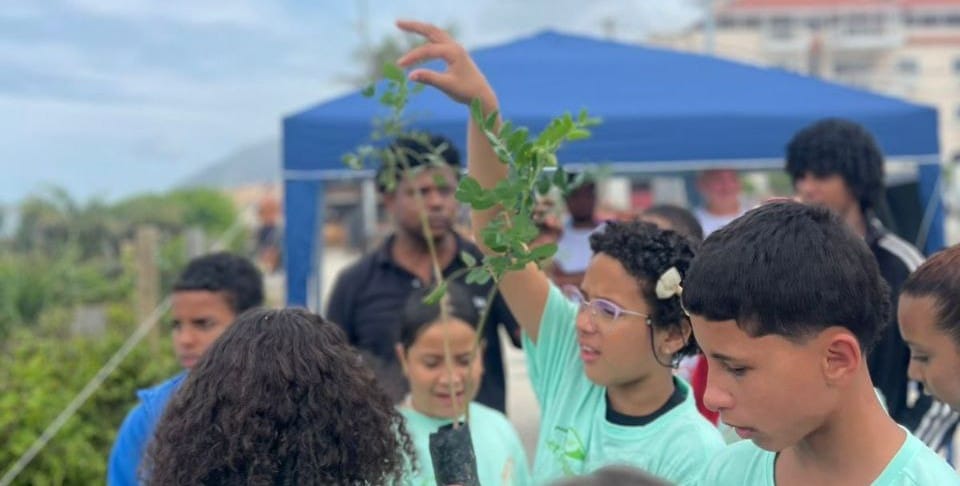
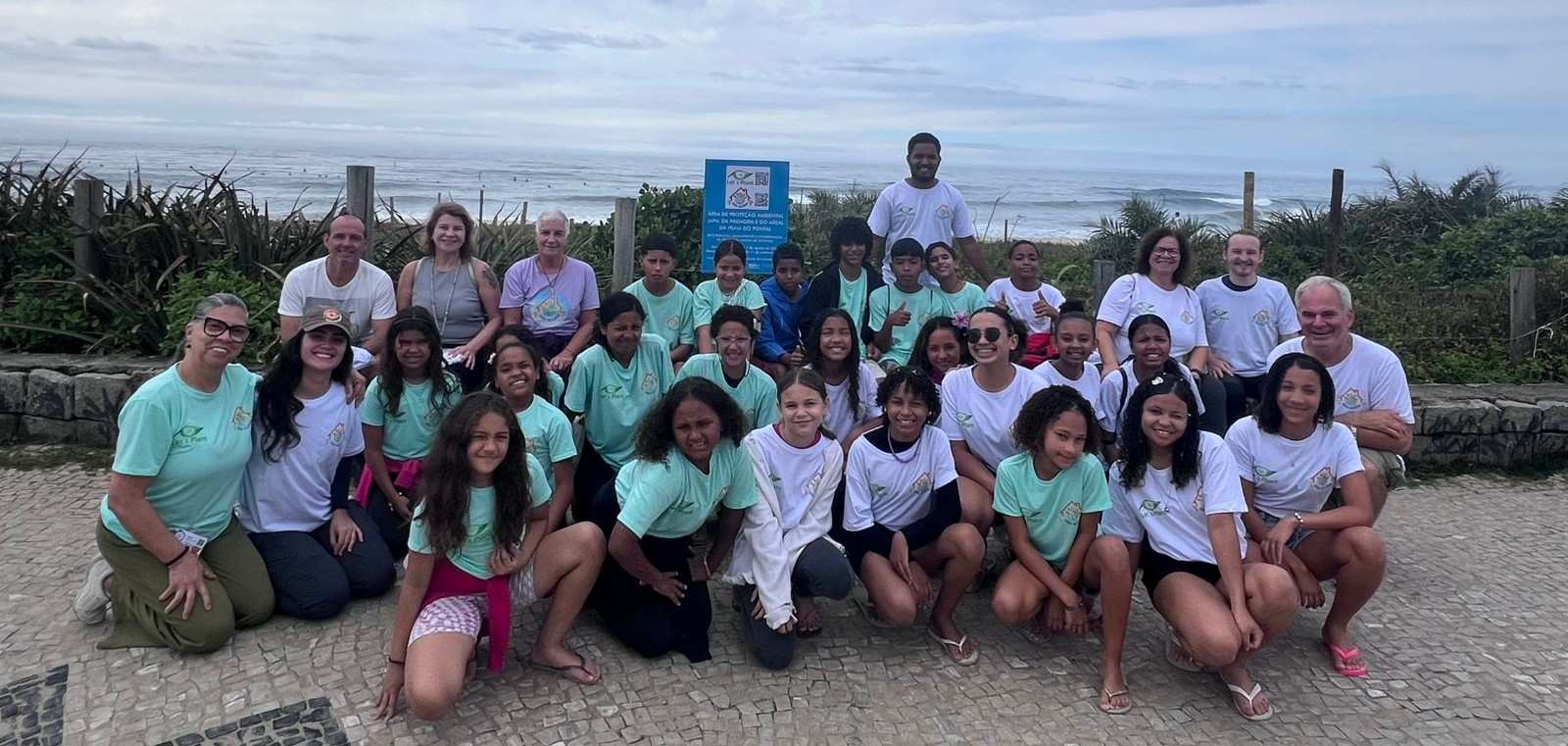
The planting activities are carried out together with young people from Casa de Apoio Alegria, giving them the opportunity to learn about ecology, biodiversity and environmental stewardship through practical experience.
Why it matters
Restinga ecosystems are among the most fragile coastal habitats in Brazil. They host specialized plant species and provide habitat for many insects, birds and small animals.
Healthy restinga vegetation:
- stabilizes sand dunes
- protects coastal landscapes
- supports biodiversity
- improves resilience to climate change
By restoring native vegetation and engaging local youth, the project contributes both to ecological restoration and environmental education.
Partners and local engagement
The project is implemented in cooperation with Casa de Apoio Alegria, an organization that works with children and young people from socially vulnerable backgrounds.
Young participants take part in planting activities and learn about native vegetation, ecosystems and the importance of environmental protection.
The project also operates within the framework of the municipal programme “Adote o Rio”, which enables civil society initiatives to take responsibility for the care and restoration of public green areas.
Outlook
The first restoration activities have already shown encouraging results. Native plants are establishing successfully and the restored patches of vegetation are gradually developing.
Future steps include:
- continued maintenance of planted areas
- monitoring the development of the vegetation
- further educational activities with young people
- expanding restoration efforts to additional areas where possible
Through these efforts, the project aims to contribute to the long-term recovery of coastal ecosystems in Rio de Janeiro.
Support coastal restoration in Rio
Your support helps restore native vegetation, protect biodiversity and involve young people in environmental stewardship.