
Project Let's Plant Addis
Ethiopian Environment and Forest Research Institute (EEFRI until 2022)
Central Ethiopian Forest Development Center (CEFRD since 2022)
Environmental education
Background
Large parts of the Ethiopian highlands have been affected by deforestation, soil erosion and land degradation over the past decades. Restoring native forests plays an important role in stabilizing soils, improving water retention and supporting biodiversity.
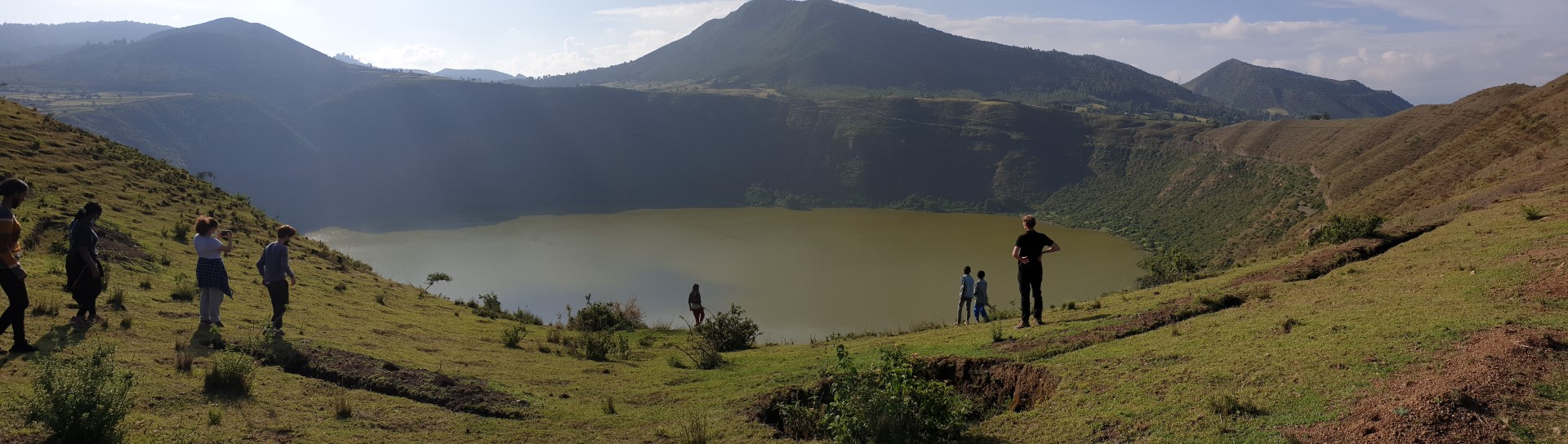
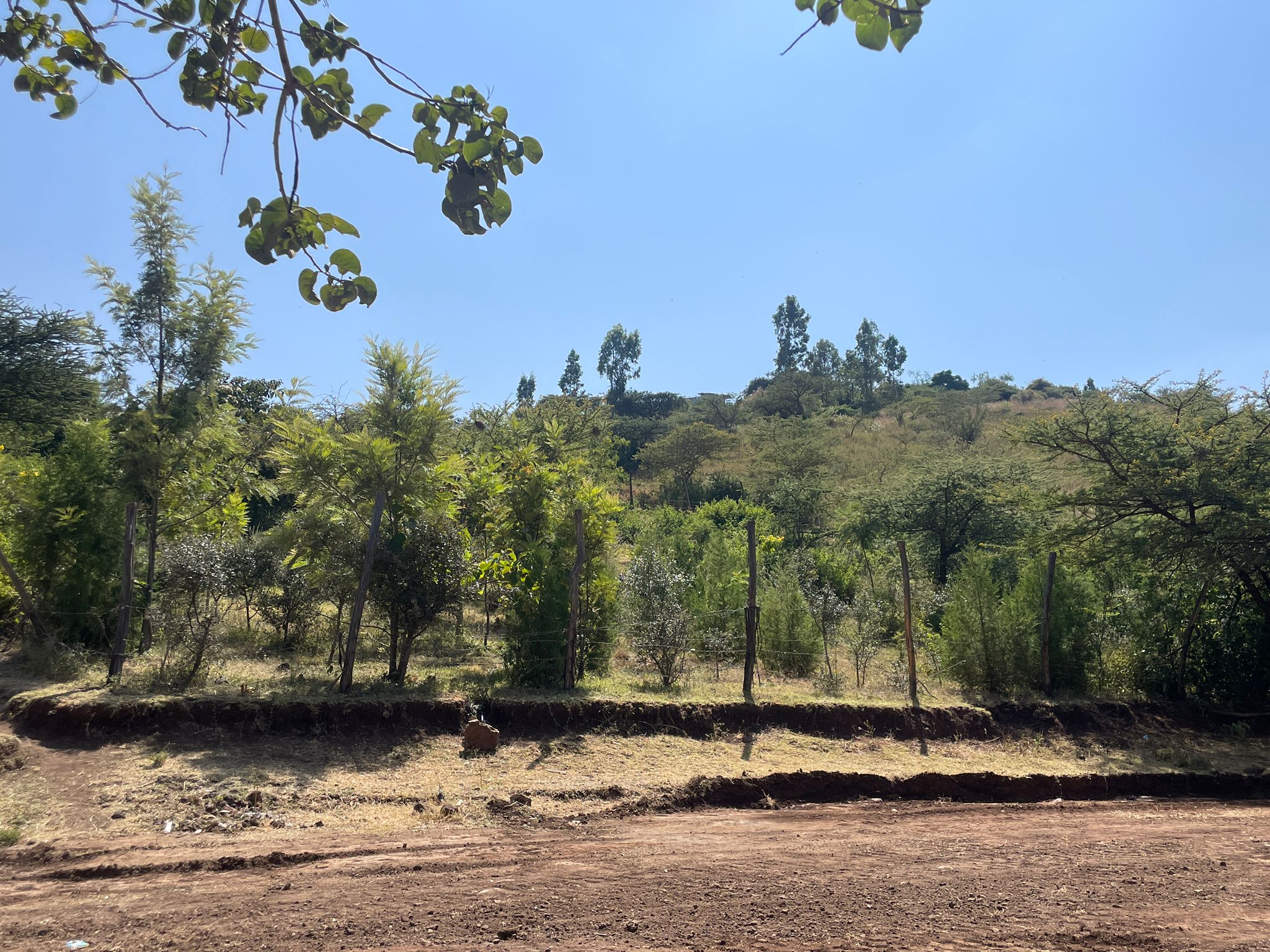
In cooperation with Ethiopian forestry experts, a degraded area of about six hectares on the grounds of an Ethiopian Orthodox church near Bishoftu was selected as the restoration site.
Three native tree species typical for Ethiopian highland forests were chosen for the project:
- Juniperus procera – East African juniper
- Olea europaea subsp. cuspidata – African olive
- Hagenia abyssinica – Kosso tree
These species are well adapted to the local climate and play an important role in native forest ecosystems.
What we do
The project started in 2020 with the establishment of two small tree nurseries:
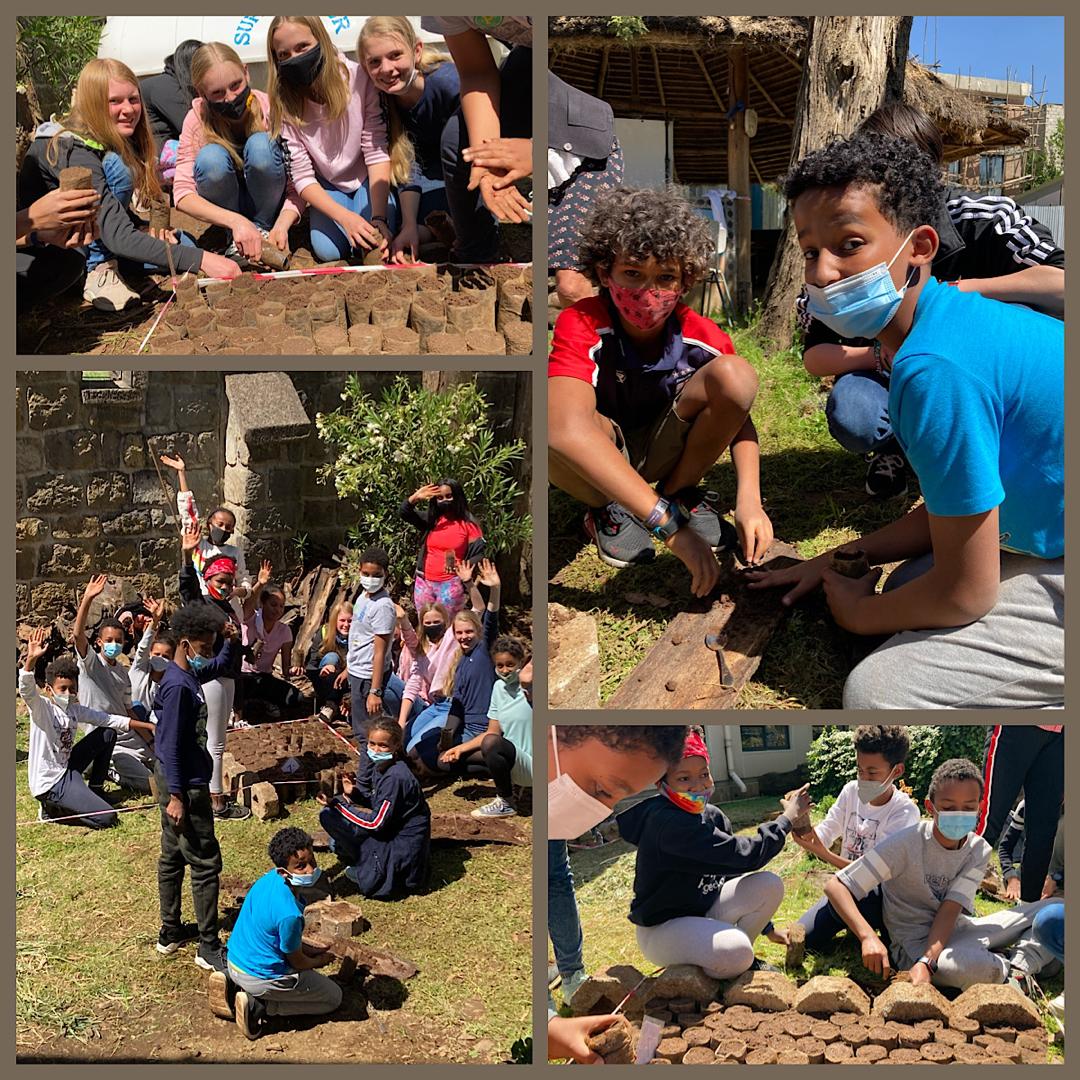
- a nursery at the German Embassy School Addis Ababa
- a second nursery at the Ethiopian forestry research institute near Bishoftu
Seeds of the selected tree species were distributed between both nurseries to raise approximately 10,000 seedlings.
Between October 2020 and mid-2021, the seedlings were cultivated and prepared for planting.
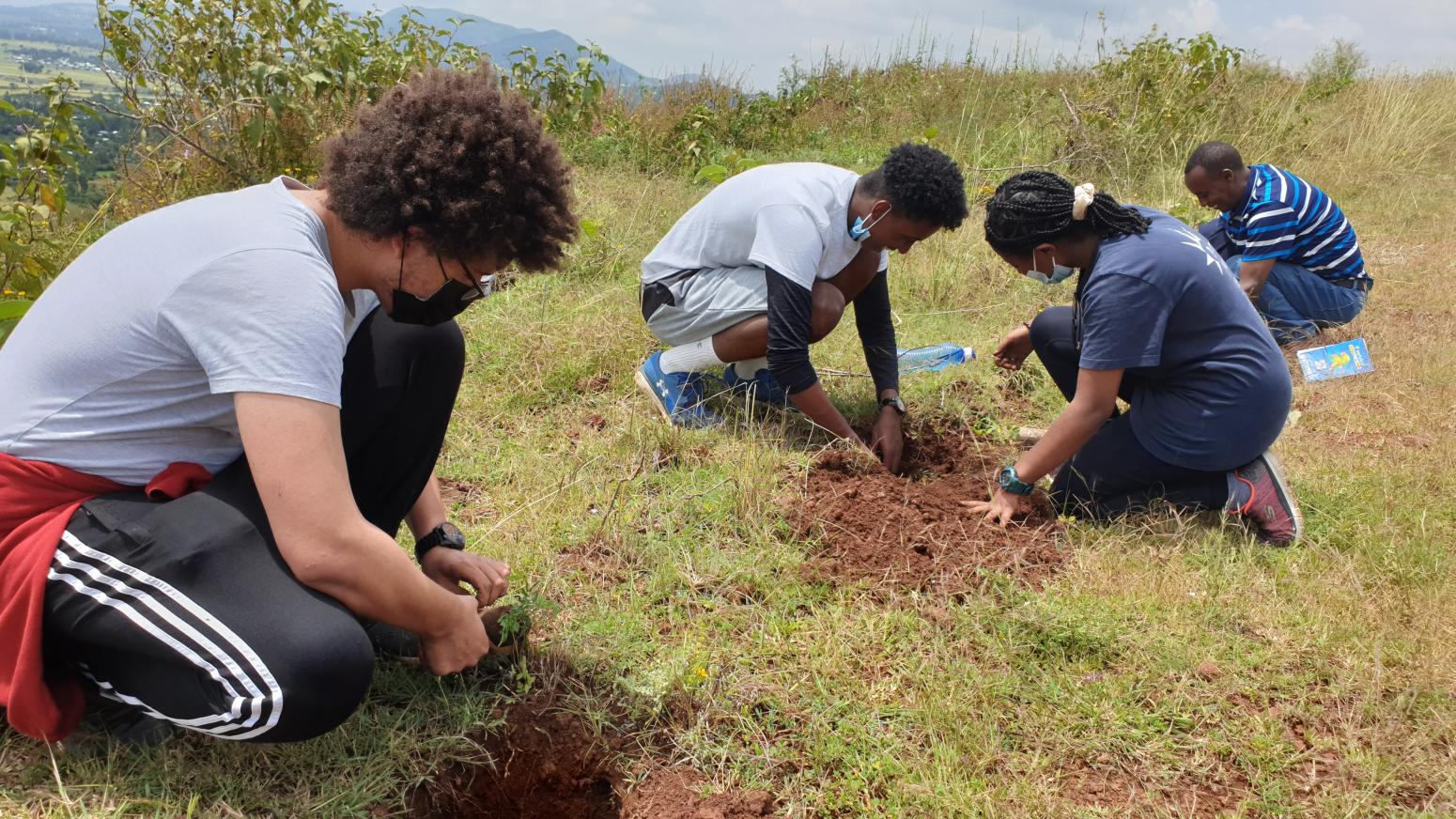
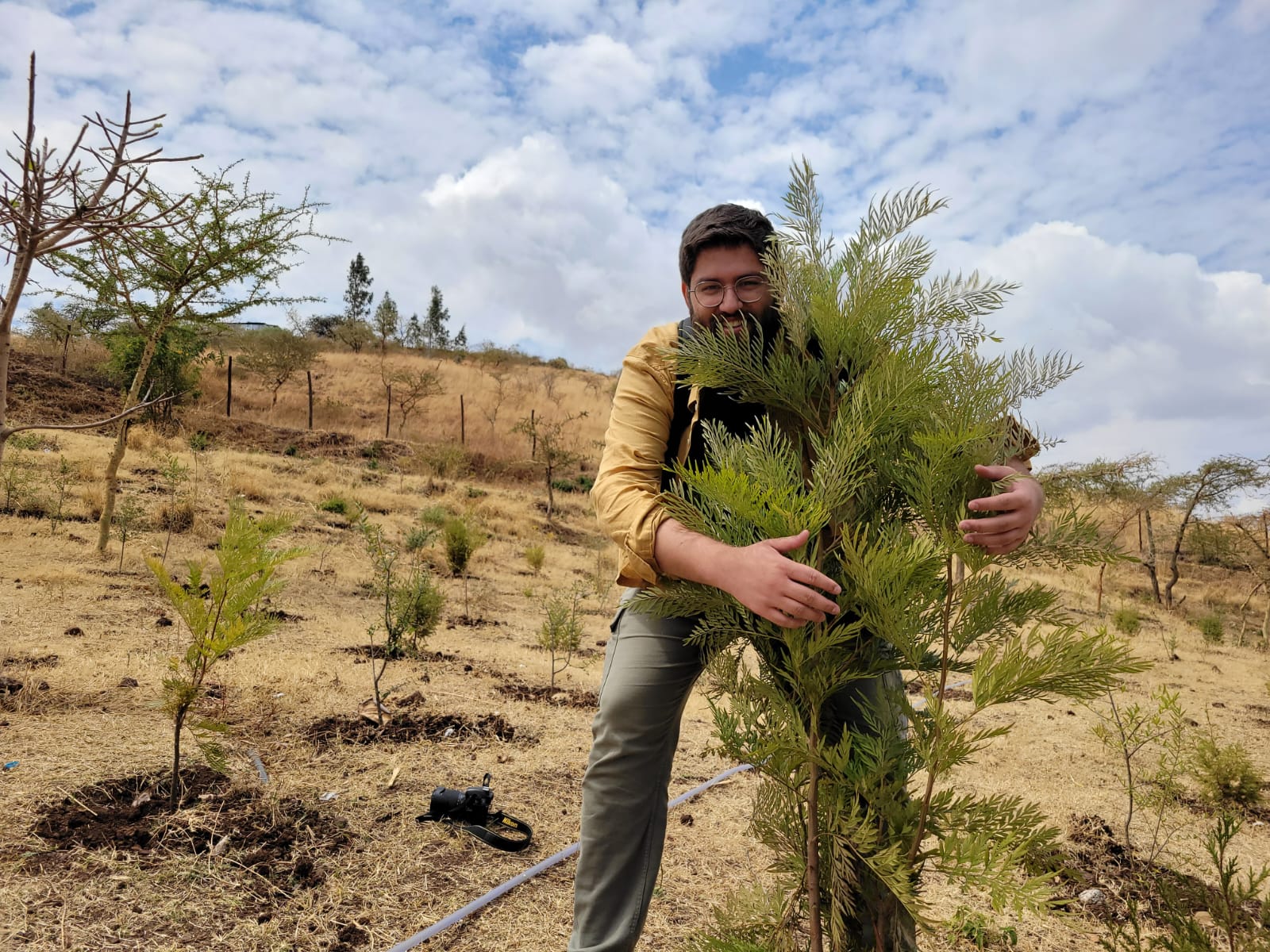
In July 2021, more than 10,000 young trees were planted on the restoration site with support from local partners and workers.
Students of the German school were involved in seed collection, nursery work and environmental education activities connected to the project.
Why it matters
Reforestation with native species contributes to several important ecological goals:
- restoring degraded landscapes
- reducing soil erosion
- improving water retention
- strengthening biodiversity
- increasing ecosystem resilience
Equally important is the educational component of the project. By participating directly in nursery work and reforestation activities, students gain practical experience and develop awareness of sustainable environmental management.
Partners and local engagement
The project is implemented in cooperation with several partners:
German Embassy School Addis Ababa (DBSAA)
Students participated in nursery work and environmental education activities connected to the project.
Ethiopian Environment and Forest Research Institute (EEFRI)
The institute supported the project with scientific expertise, nursery facilities and technical guidance.
Central Ethiopian Forest Development Center (CEFRD)
Local forestry experts assist with monitoring and evaluating the development of the planted trees.
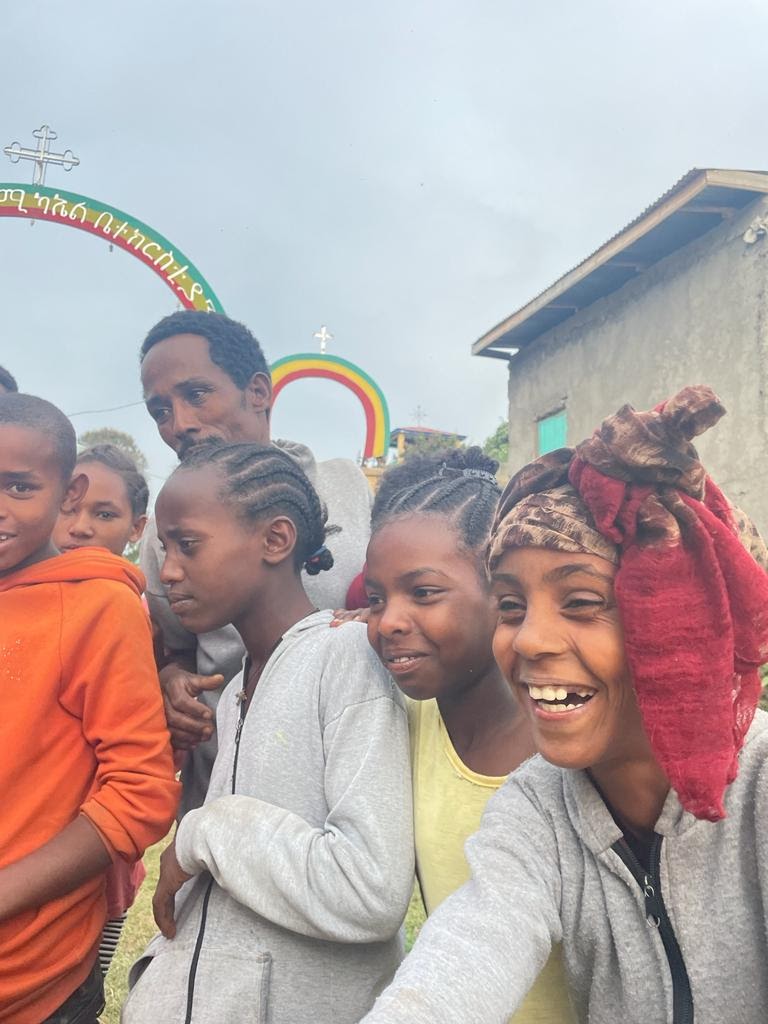
Local workers and community members supported the planting and maintenance of the restoration area.
Outlook
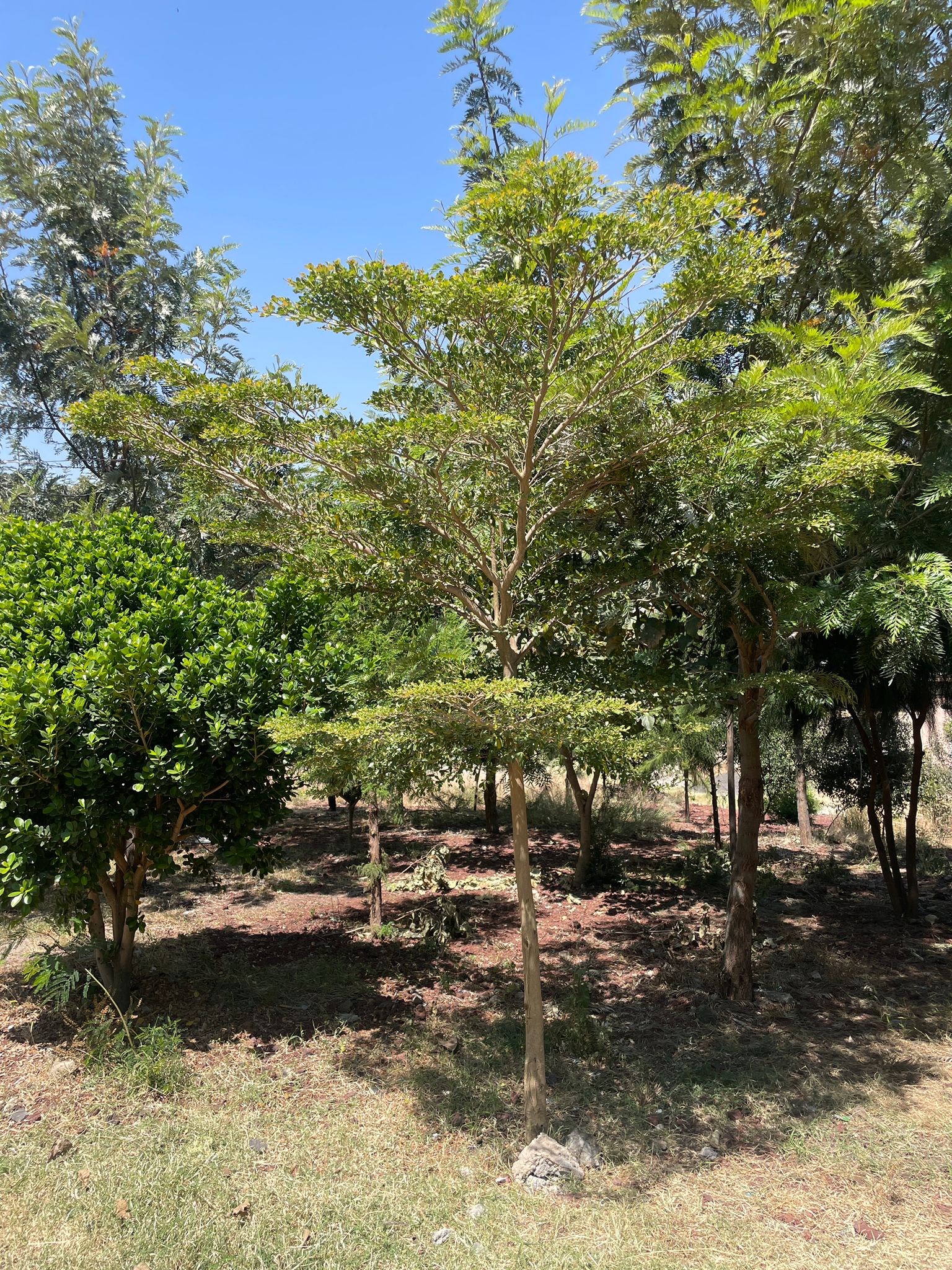
More than four years after the planting phase, many trees have successfully established and contribute to the gradual restoration of the degraded hillside.
The current focus is on:
- monitoring the long-term development of the trees
- protecting the site from grazing damage
- evaluating the ecological impact of the project
Based on the results of the monitoring phase, Let’s Plant e.V. will assess whether the experience and partnerships developed through the project can lead to future restoration initiatives in Ethiopia.
Support reforestation in Ethiopia
Projects like Let’s Plant Addis are made possible through the support of partners and donors.
Initial funding for the project was provided by Deutsche Telekom, and the non-profit organization Menschenfreude.org supported the planting of 1,500 trees.
A cooperation with the hotel ZweiLinden in Meckenheim also contributes to the project: the hotel donates €1 for every time a guest voluntarily forgoes room cleaning, supporting tree restoration efforts.
Every donation helps to maintain and expand reforestation projects and supports environmental education initiatives.