
Agroforestry Bolivia
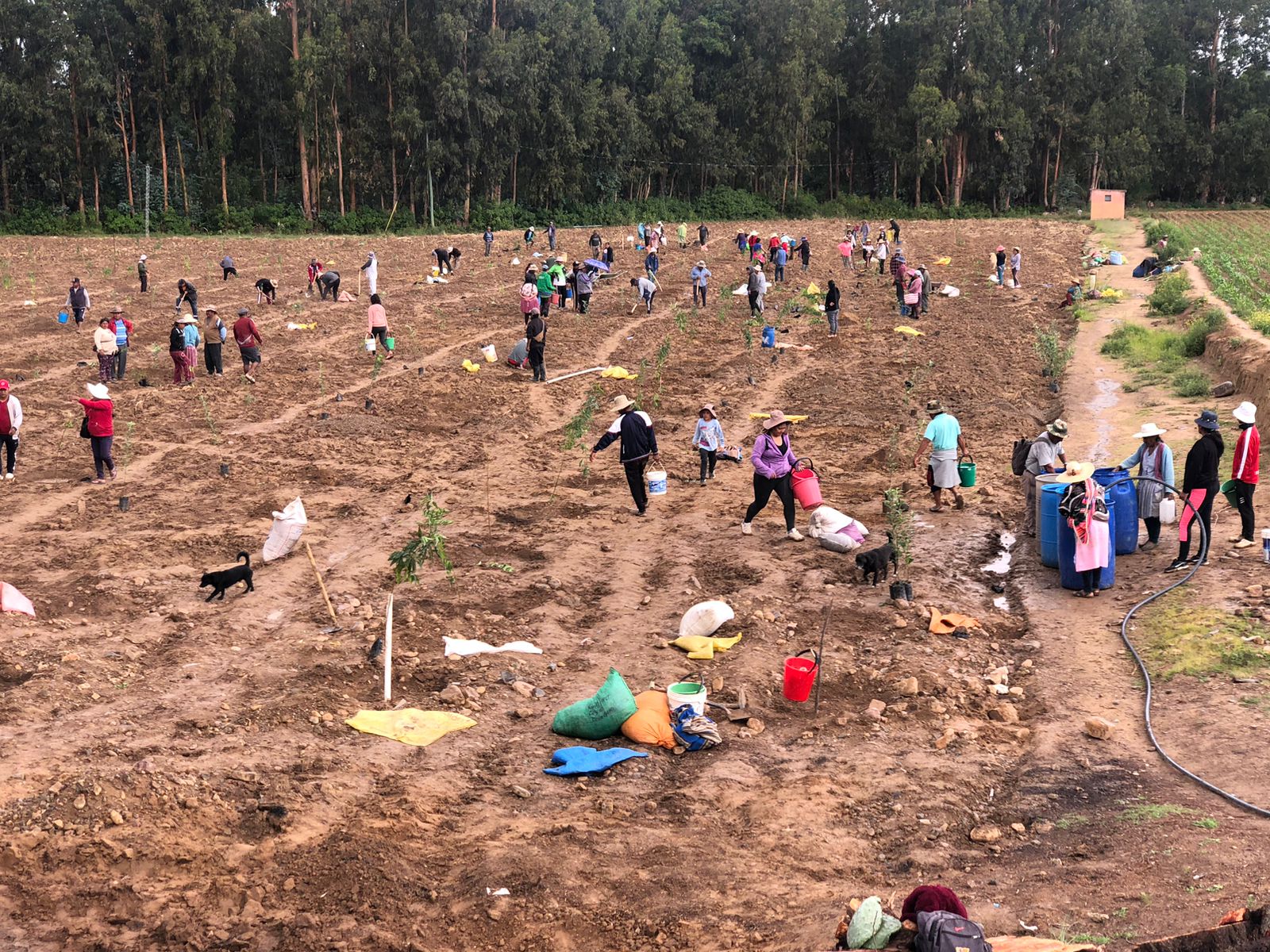
Méndez, Tarata region (Cochabamba Department)
Local communities
Ecological restoration
Food security
Climate resilience
Background
Bolivia is among the countries with the highest deforestation rates in the world. In recent years, forest loss has accelerated due to illegal logging, gold mining and slash-and-burn agriculture.
The community of San Luis Chico lies within the Pilón Lajas Biosphere Reserve, part of the greater Madidi region, one of the most biodiverse areas on Earth. Despite its protected status, illegal deforestation and mining activities have increasingly degraded the surrounding forests.
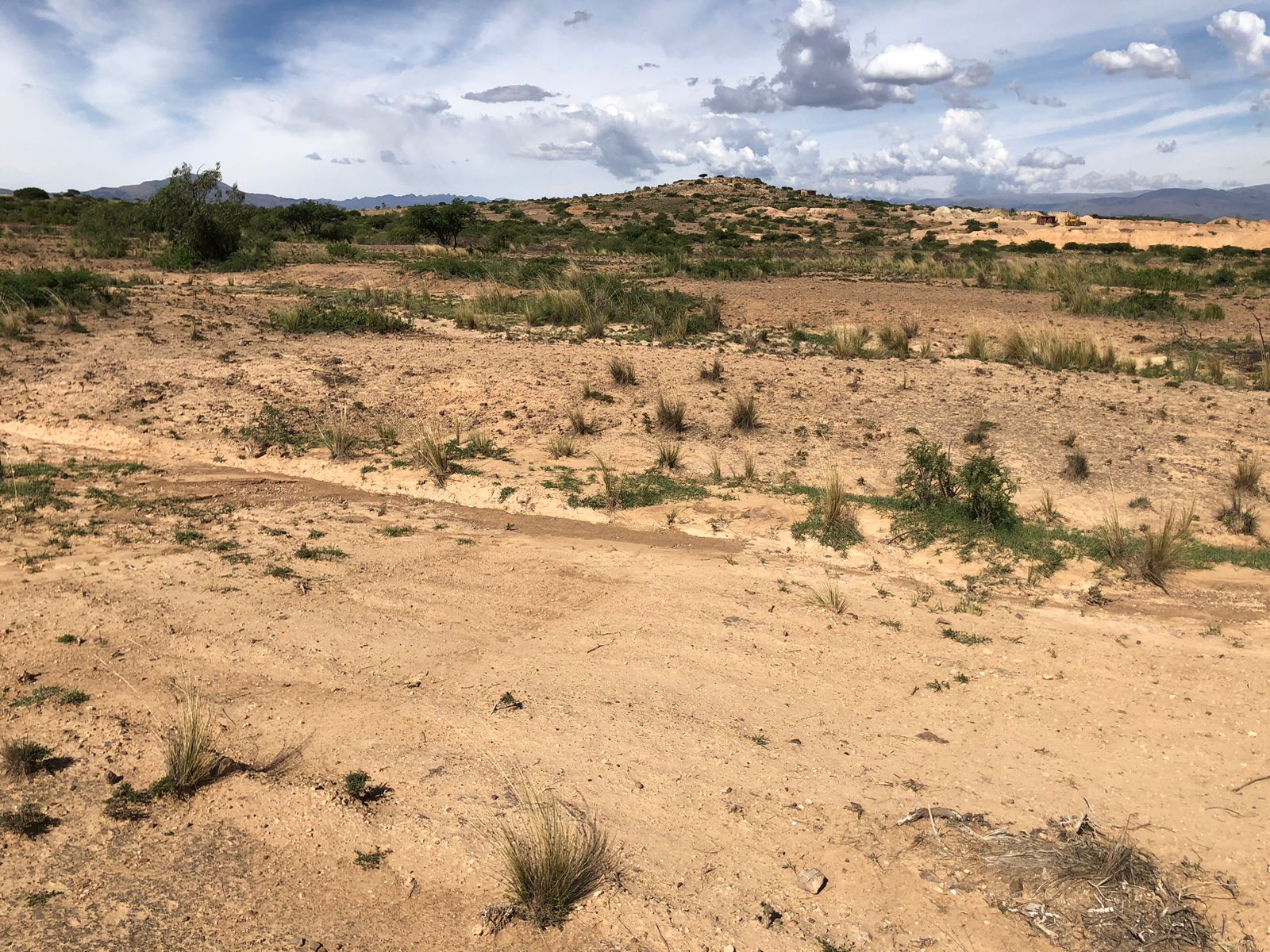
In contrast, the Cochabamba Valley (Valle Alto) faces severe drought and land degradation. Around 65% of the region is threatened by desertification, caused by deforestation, unsustainable farming practices and increasing climate extremes.
Falling groundwater levels, disappearing water sources and declining soil fertility have led to decreasing agricultural productivity. Many families are forced to migrate to cities, while those remaining face increasing poverty and food insecurity.
Agroforestry offers a promising approach to restore degraded landscapes while improving agricultural livelihoods.
What we do
The project introduces dynamic agroforestry systems that combine forest trees, fruit trees and agricultural crops on the same land.
Two project sites were established:
- San Luis Chico (Beni Department)
- Méndez in the Tarata region (Cochabamba Department)
Originally, the project in the Cochabamba region was planned for the community of Villa Carreño. Shortly before implementation, however, local residents expressed concerns about limited water availability. After consultations with community leaders, the site was therefore relocated to Méndez, where conditions were considered more suitable.
Each site covers approximately two hectares of agroforestry systems.
Key activities include:
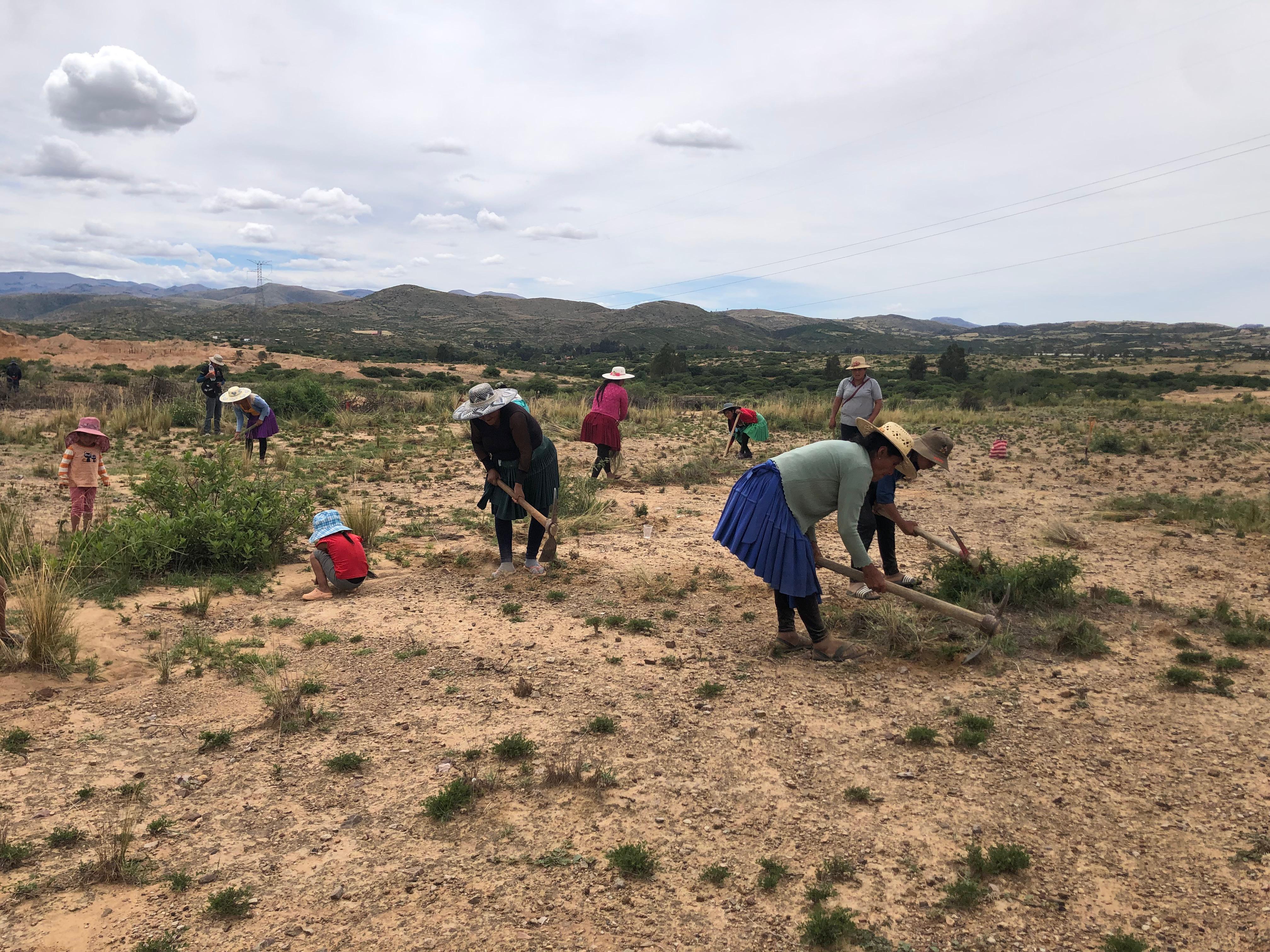
- preparation of the soil and planting areas
- transport of seedlings to remote project locations
- establishment of agroforestry systems
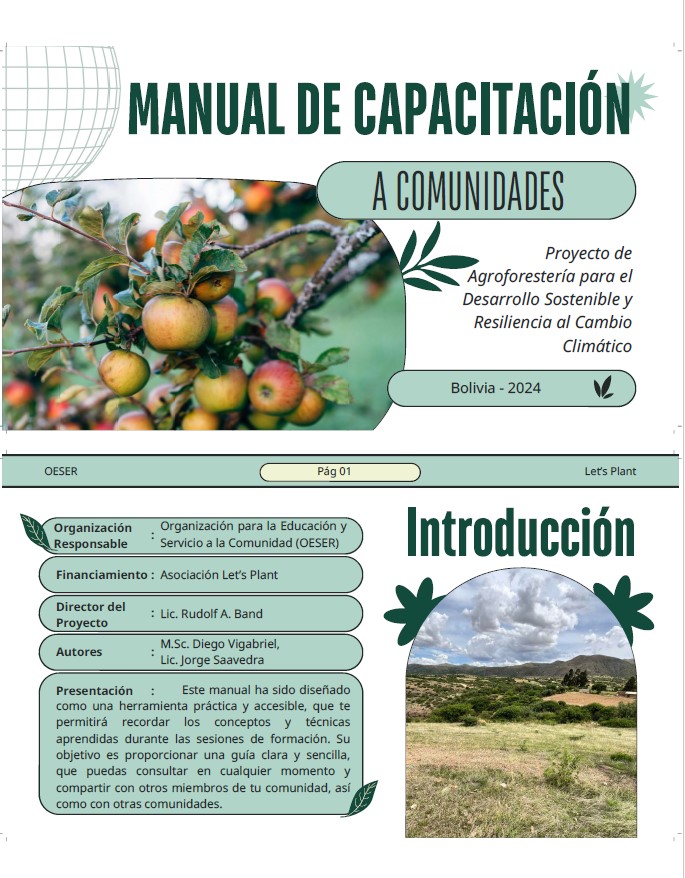
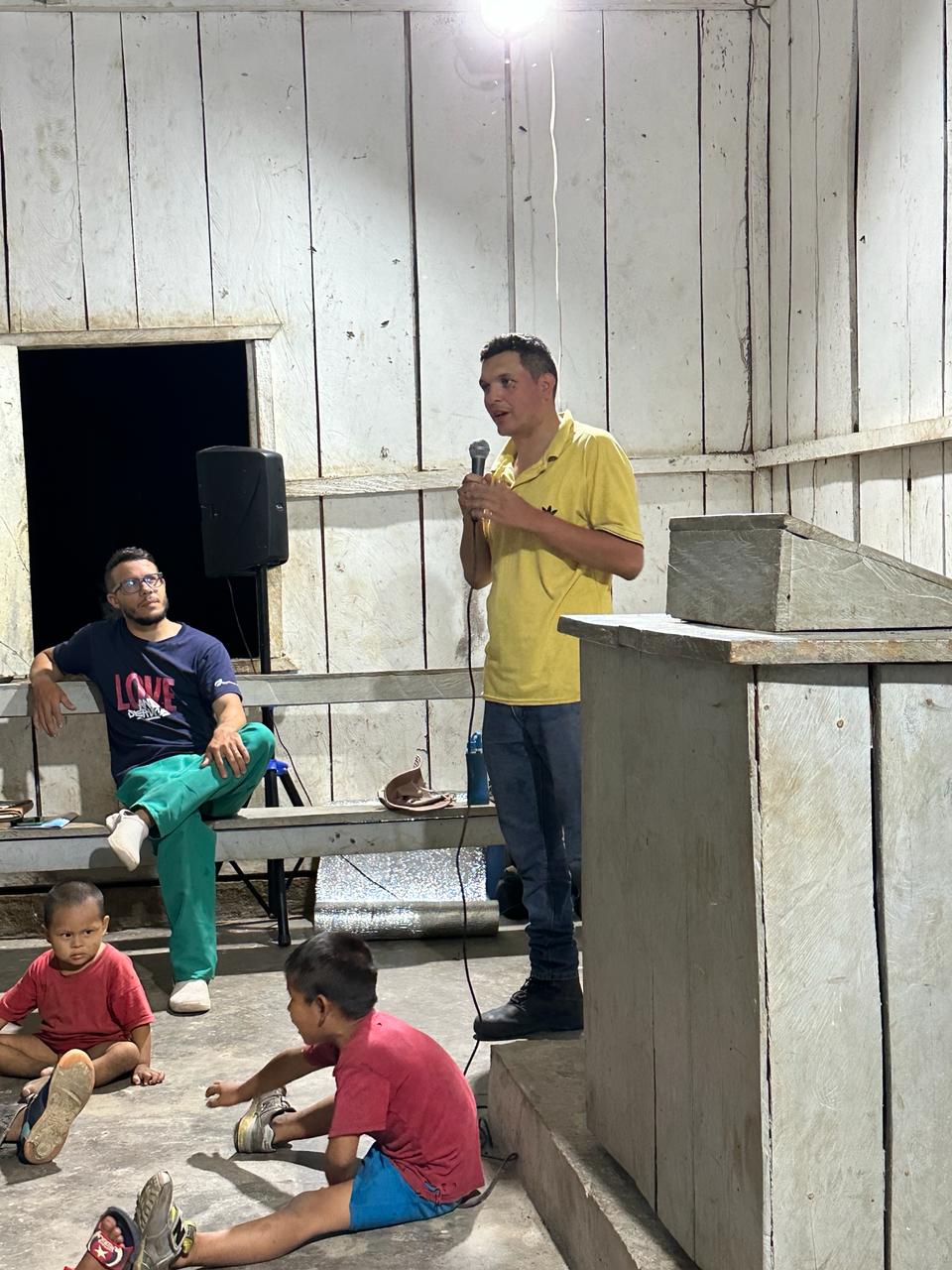
- practical training for community members in agroforestry management
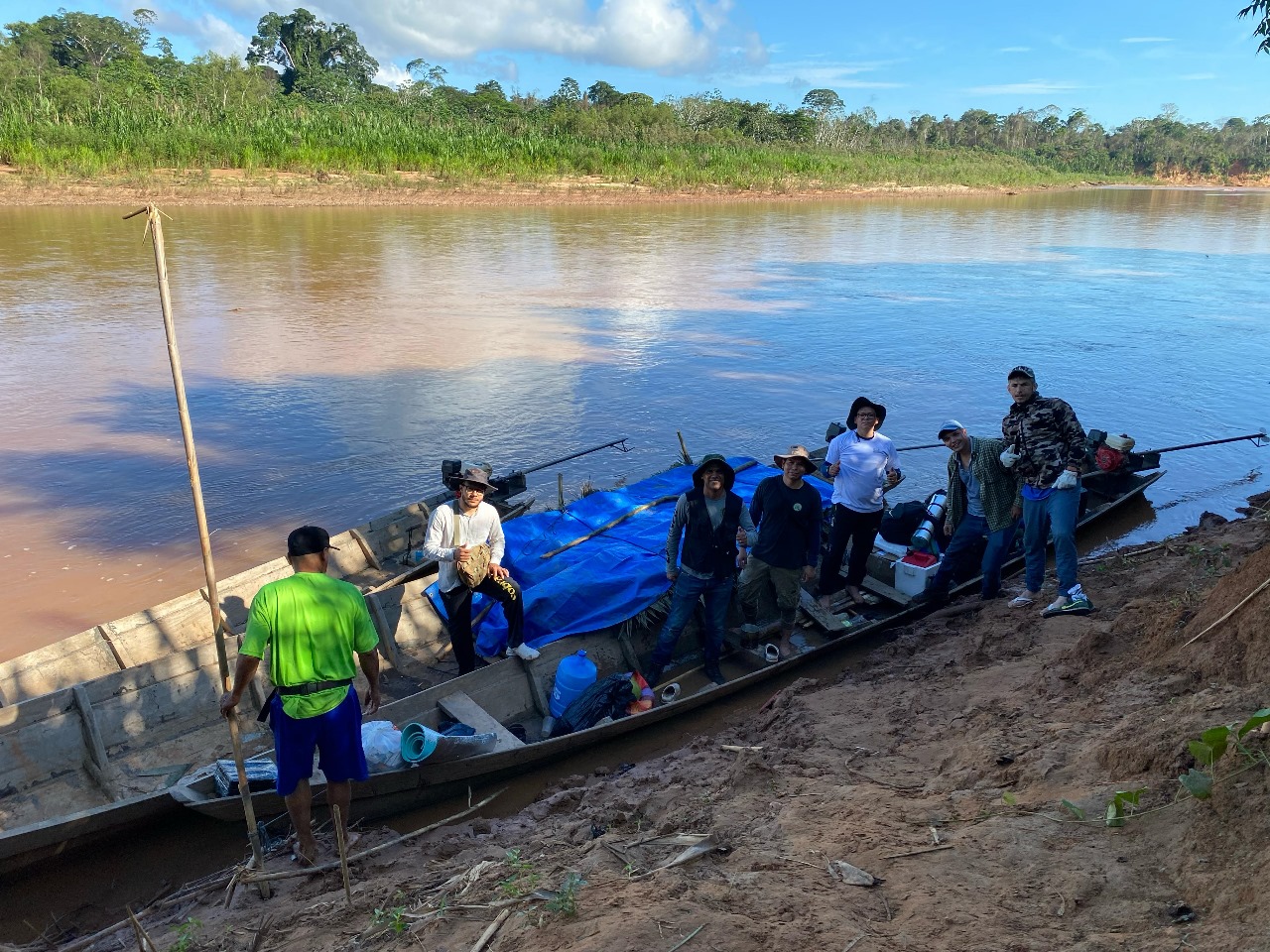
In San Luis Chico, transporting seedlings required a multi-day boat journey from Rurrenabaque, illustrating the logistical challenges of working in remote Amazon regions.
Why it matters
Agroforestry systems can address multiple environmental and social challenges at the same time.
Ecological benefits include:
- restoration of degraded land
- improved soil fertility and water retention
- increased biodiversity
- greater resilience to climate change
Social benefits include:
- improved food security for rural families
- diversification of agricultural production
- practical training and new skills for community members
By combining ecological restoration with sustainable agriculture, the project contributes to long-term environmental stability and rural livelihoods.
Partners and local engagement
The project is implemented through cooperation between international and local partners.
Let’s Plant e.V. (Germany) is a non-profit environmental organization that develops reforestation and ecological restoration projects in cooperation with local partners.
OESER (Bolivia) is a non-profit organization dedicated to environmental conservation, community development and the promotion of sustainable agricultural practices.
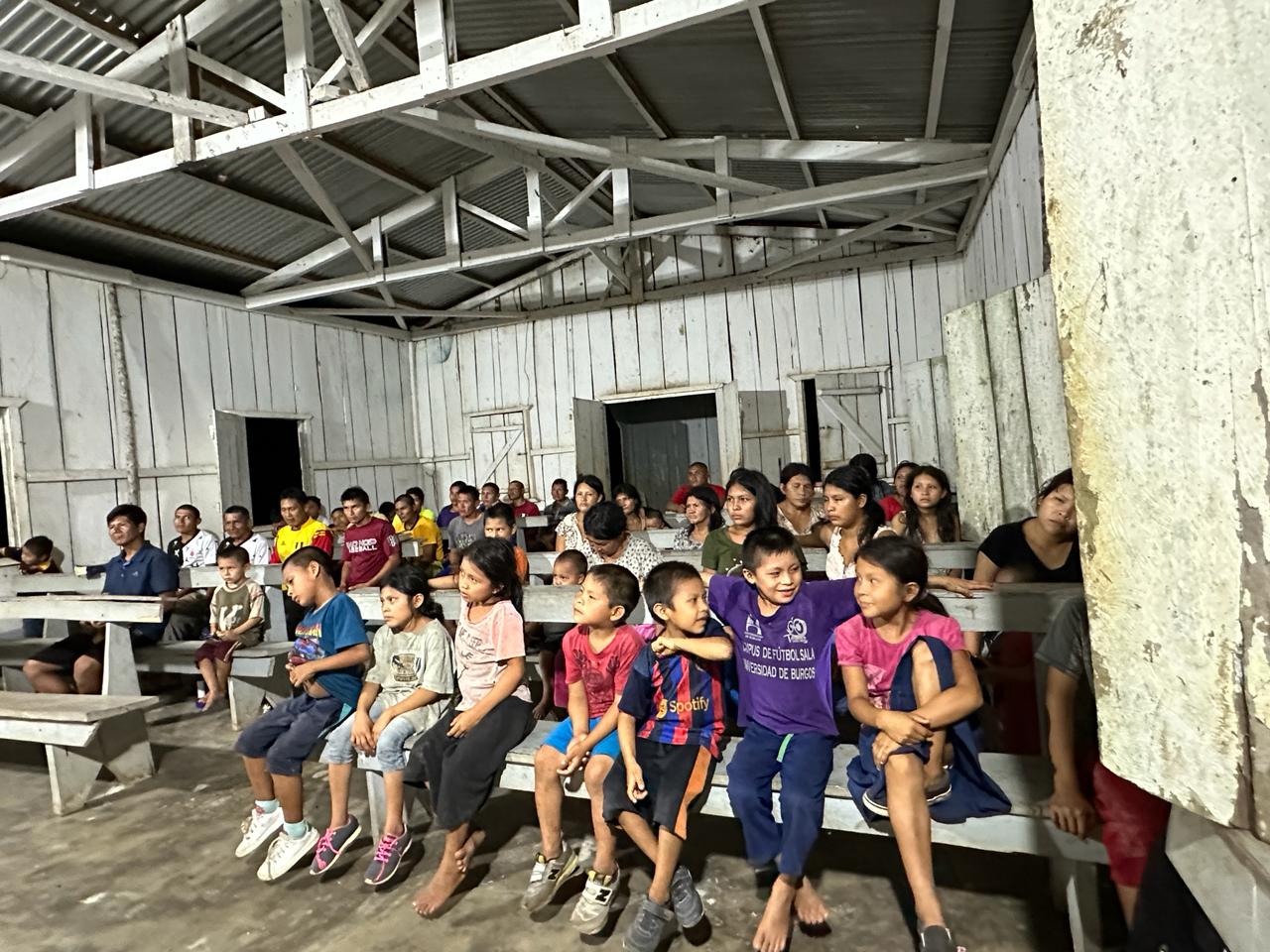
The project was carried out in close collaboration with local communities, who actively participated in land preparation, planting activities and training.
This direct involvement strengthens local knowledge, increases acceptance of new agricultural practices and contributes to the long-term sustainability of the agroforestry systems.
Outlook
The agroforestry systems established through the project are designed to develop over time into productive and ecologically stable landscapes.
Future activities focus on:
- monitoring plant growth and system development
- supporting local farmers in managing the systems
- evaluating ecological and social impacts
- sharing lessons learned with other communities
If successful, the project may serve as a model for climate-resilient agriculture and landscape restoration in Bolivia.