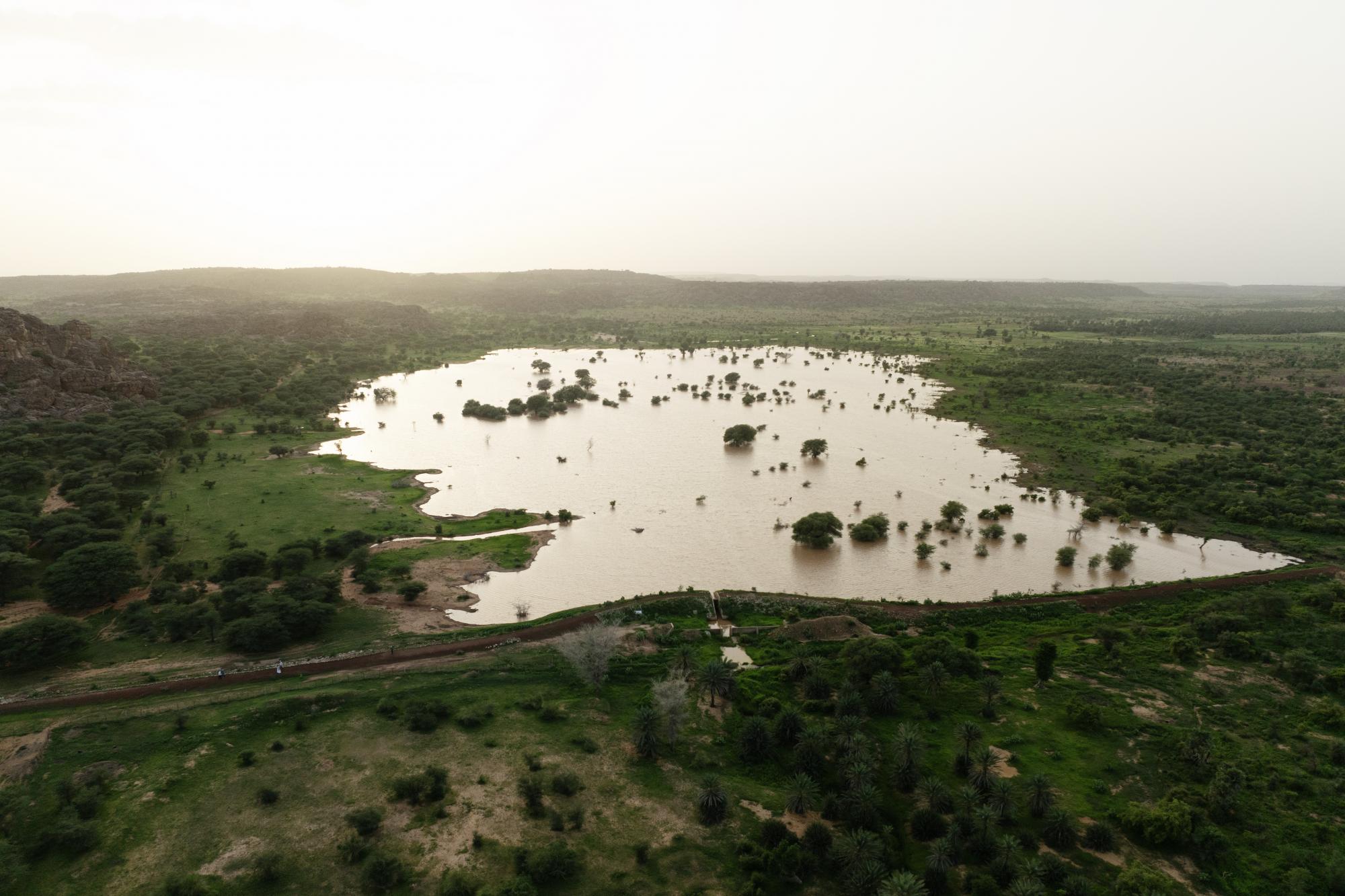
Photo story from Anthony Denaer on landscape restoration in Mauretania
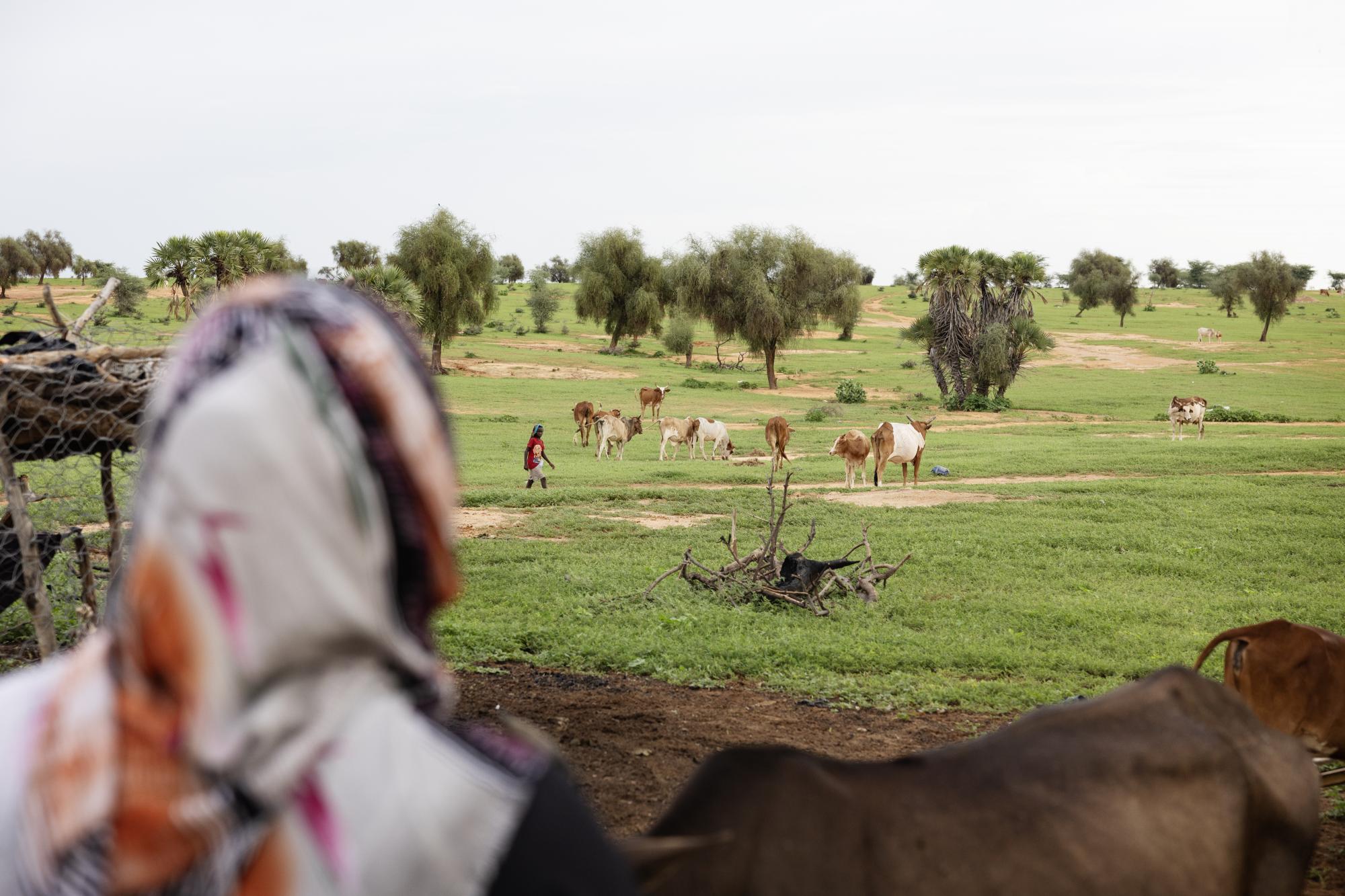
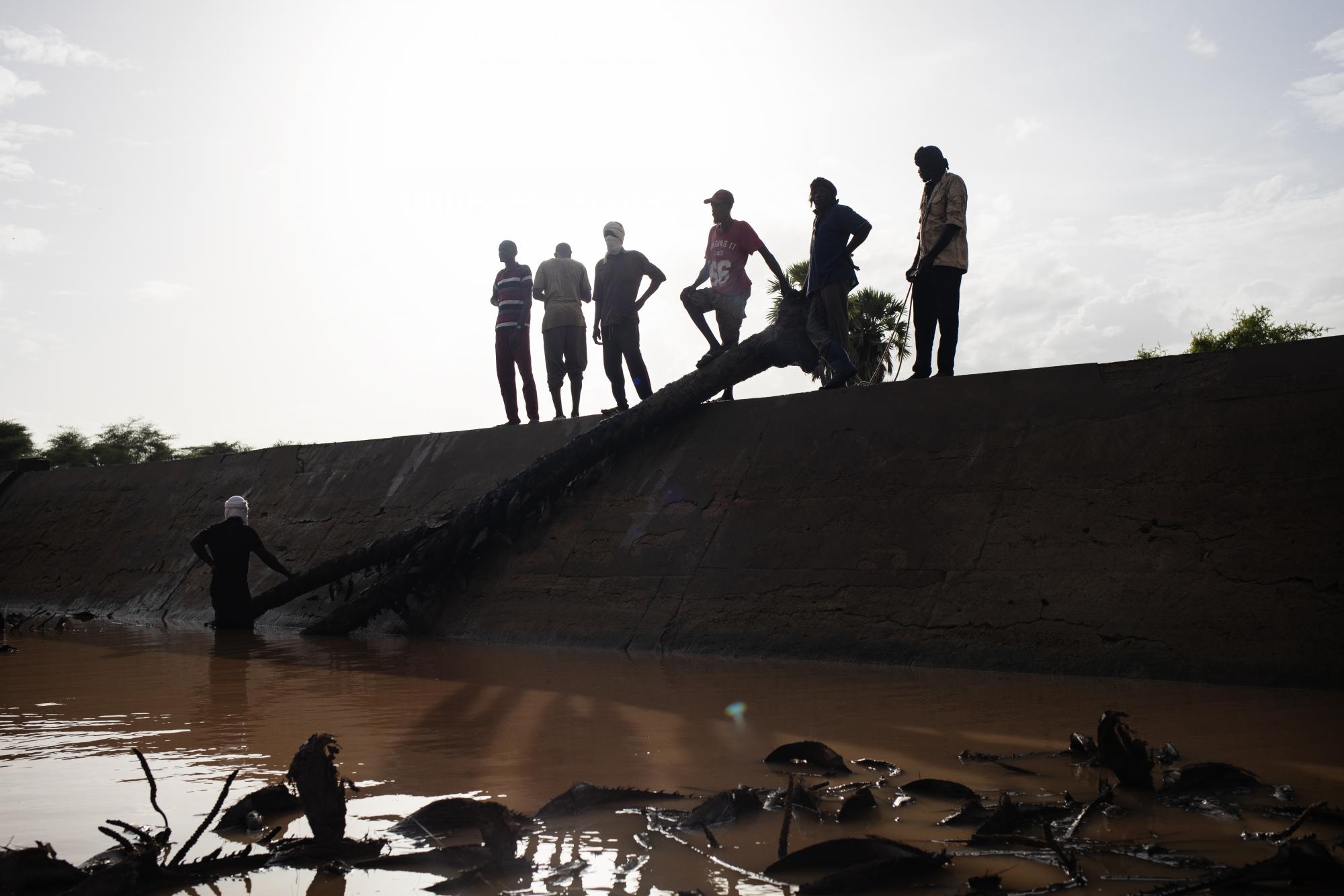
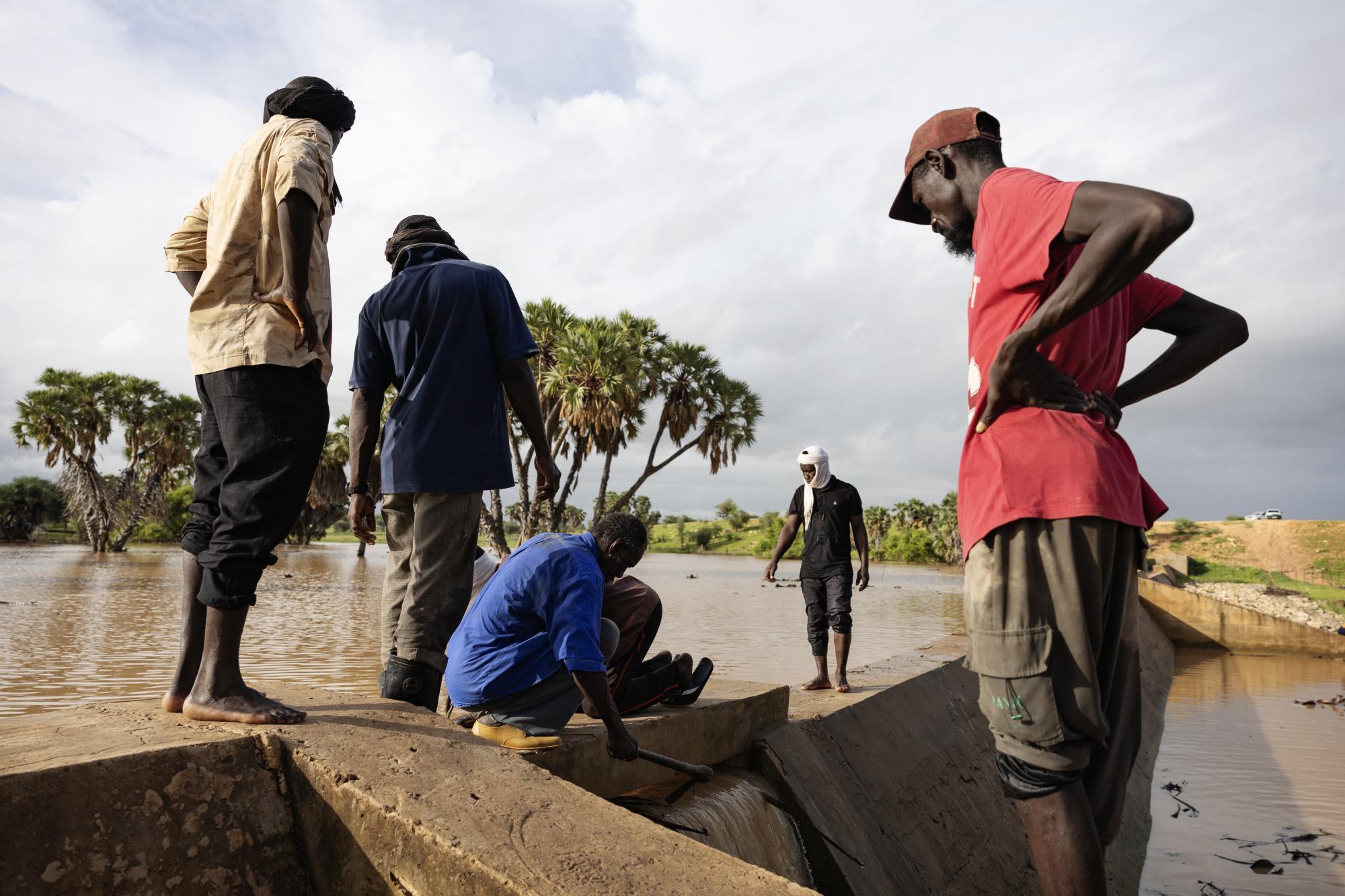
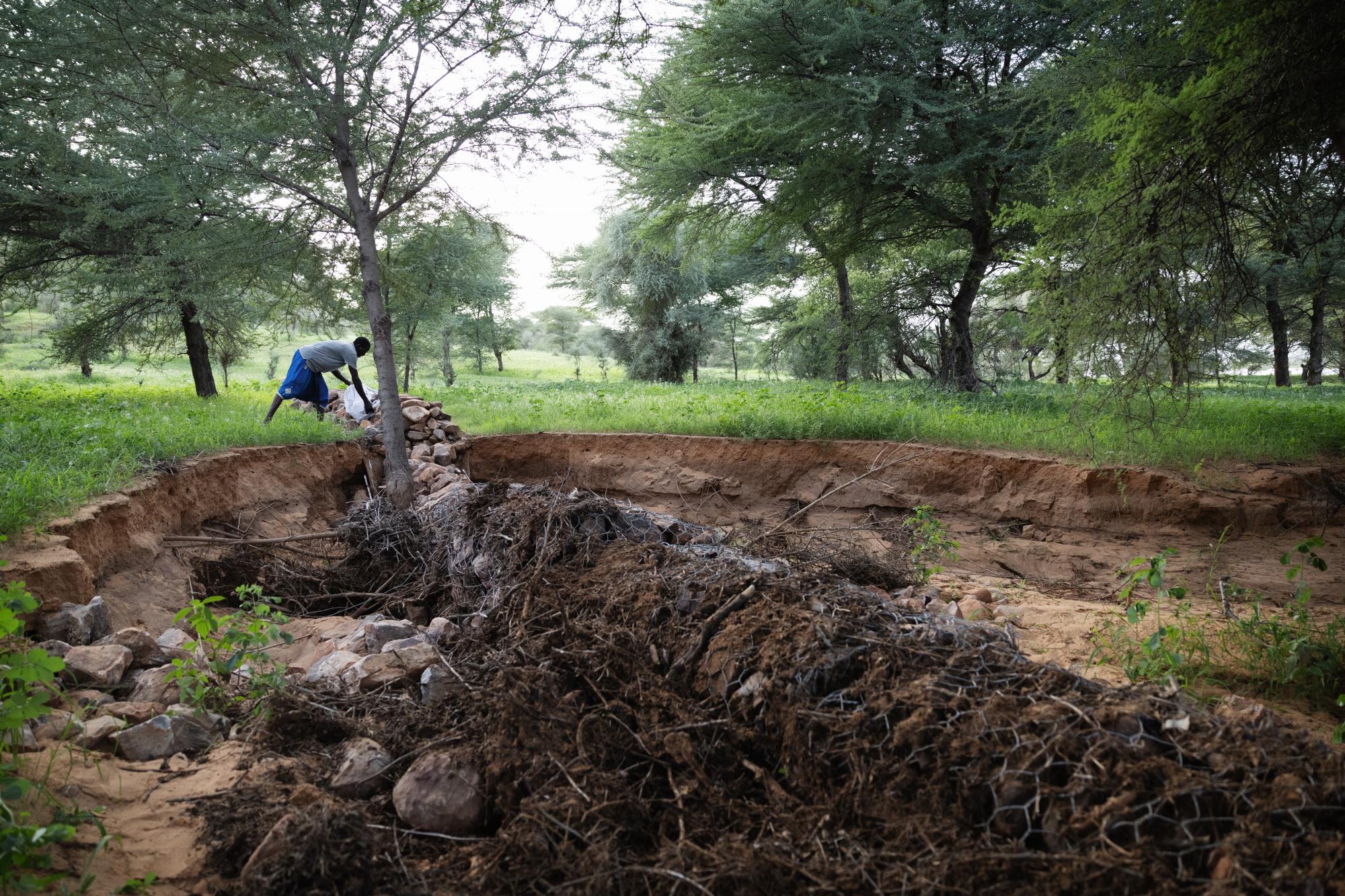
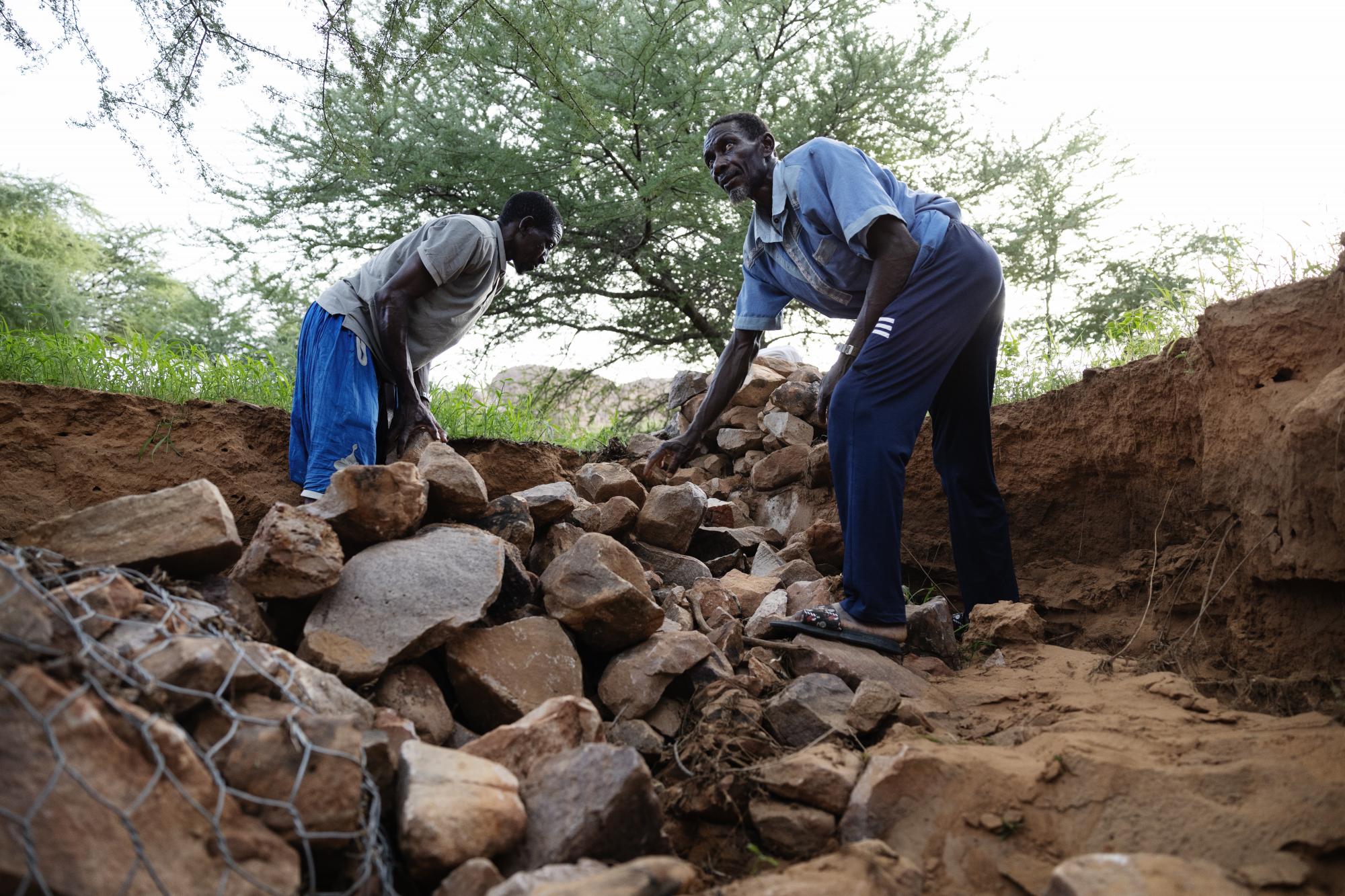
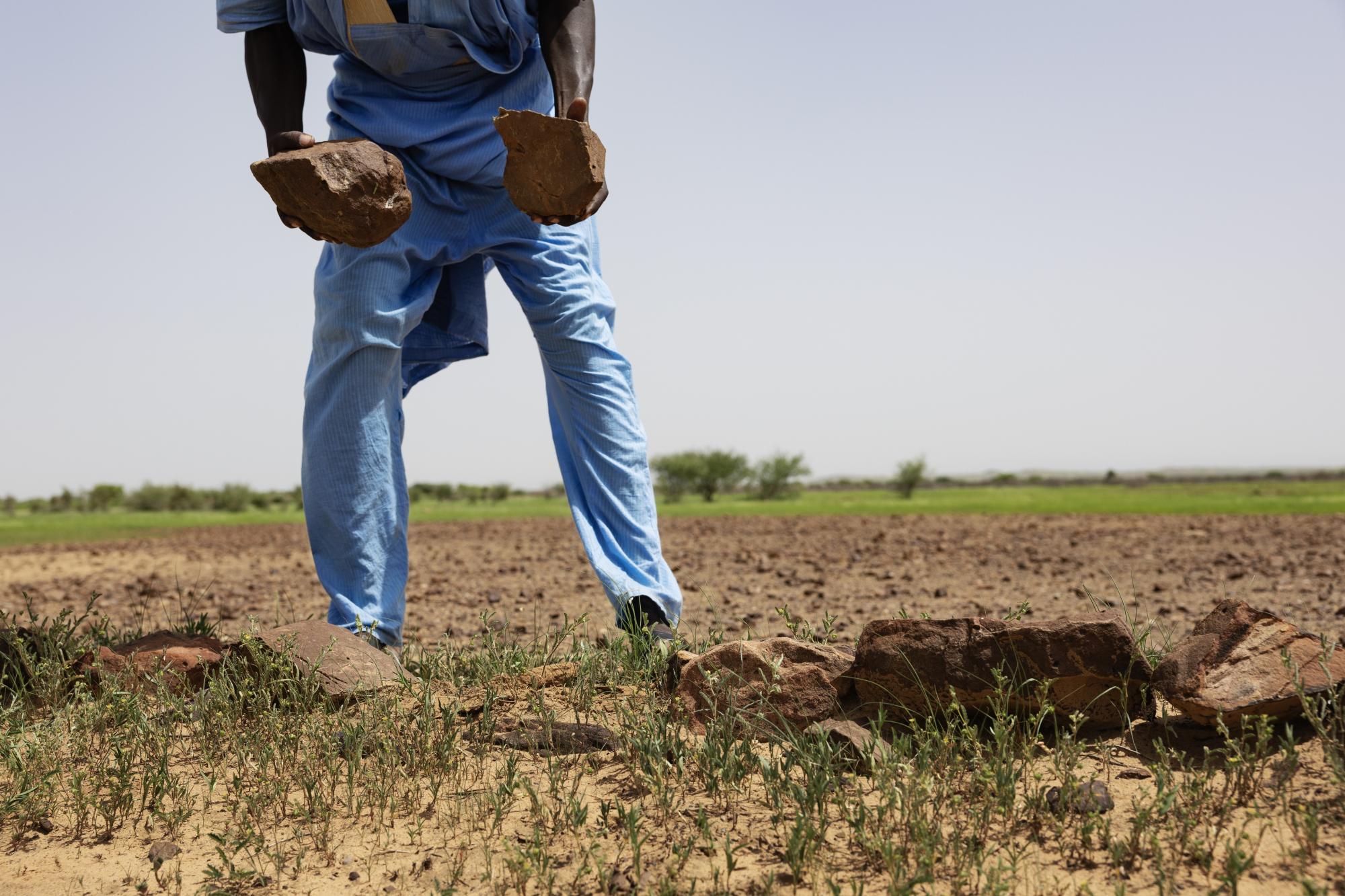
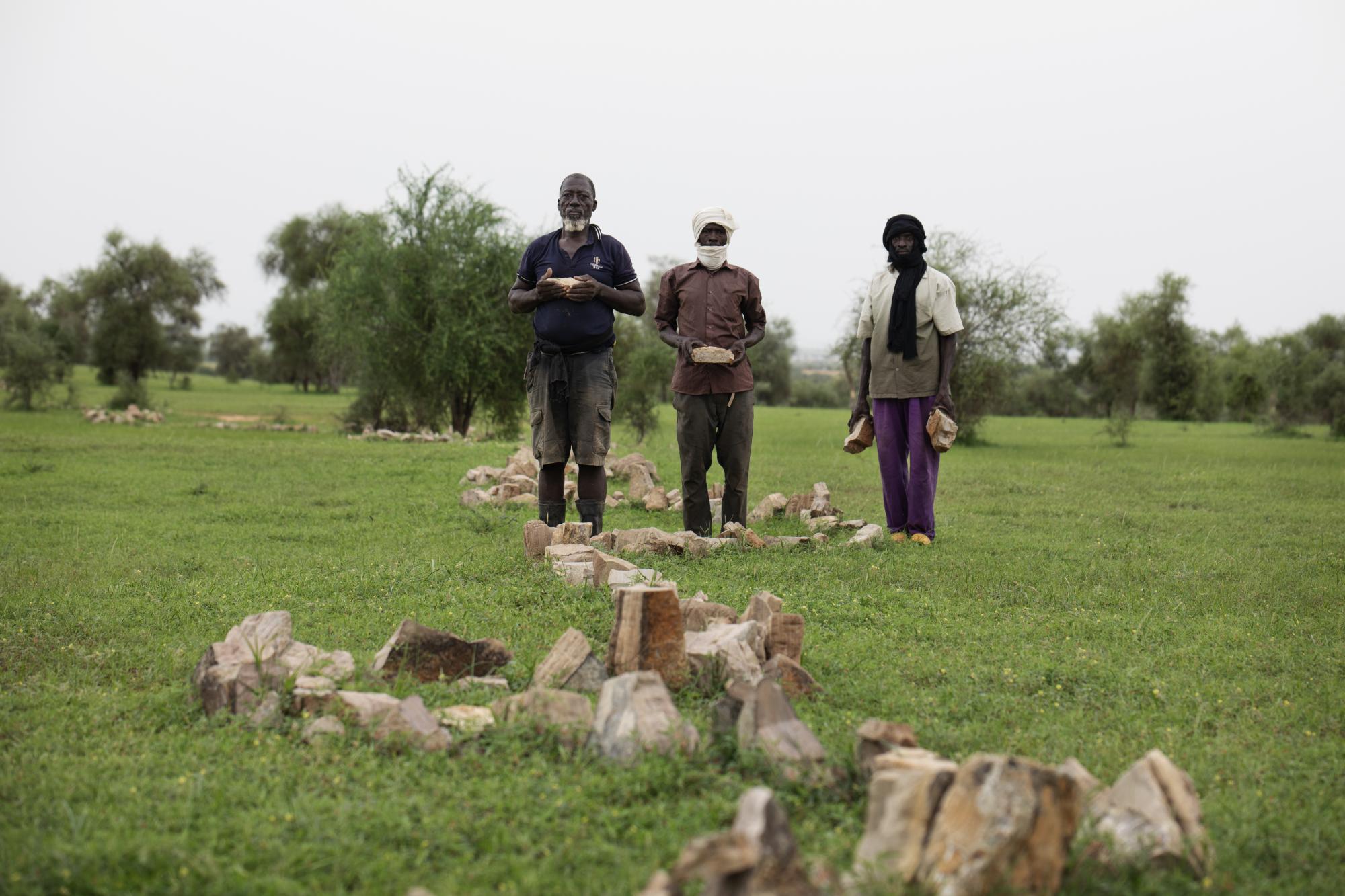
In the arid landscapes of Mauritania, where rainfall is both scarce and unpredictable, rural communities are reclaiming degraded land through a holistic, community-driven approach to landscape management. This photo story documents the success of community-driven efforts to restore and maintain rural infrastructure slowing water runoff, reducing erosion, and enhancing water retention in the landscape.
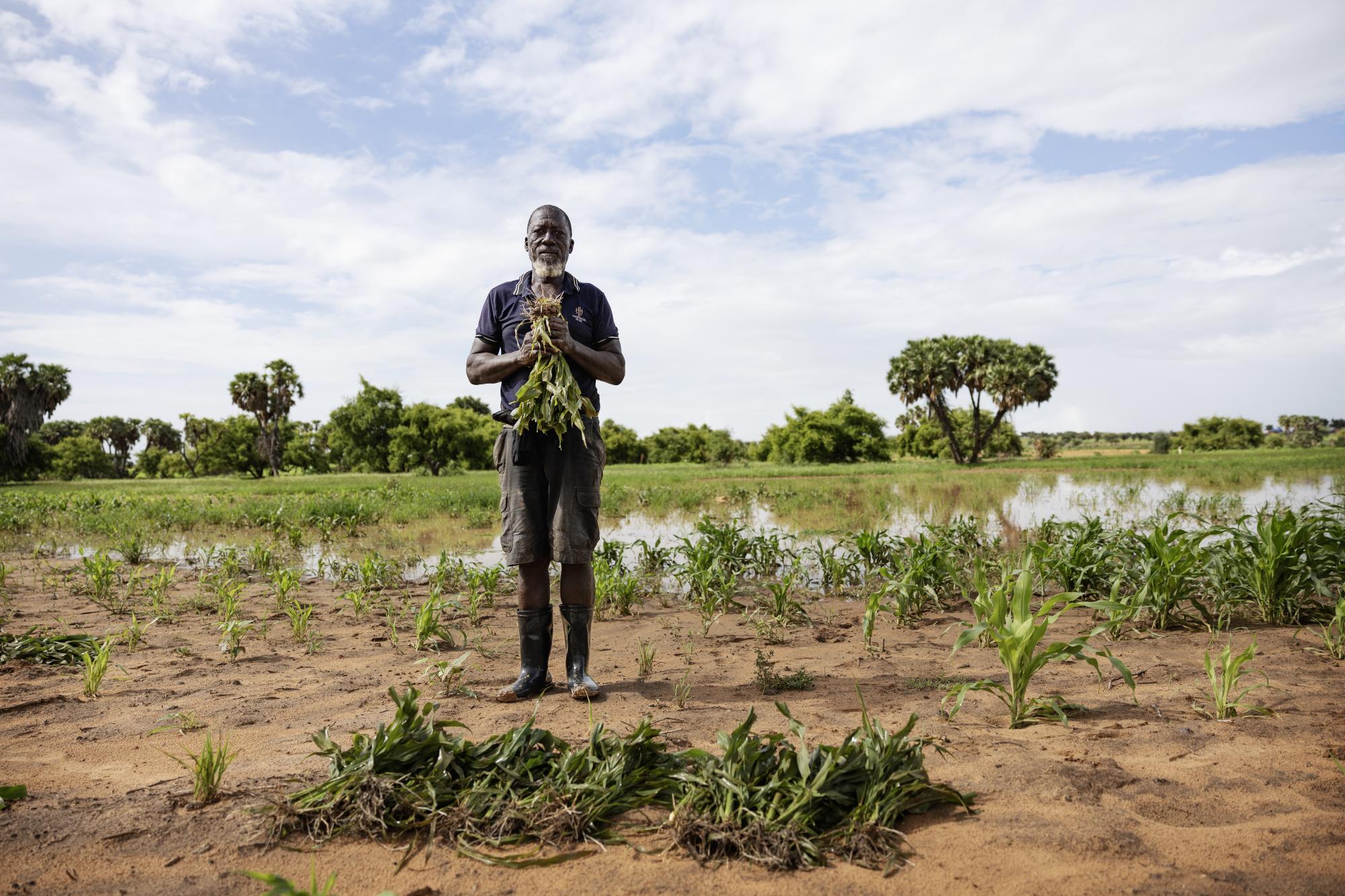
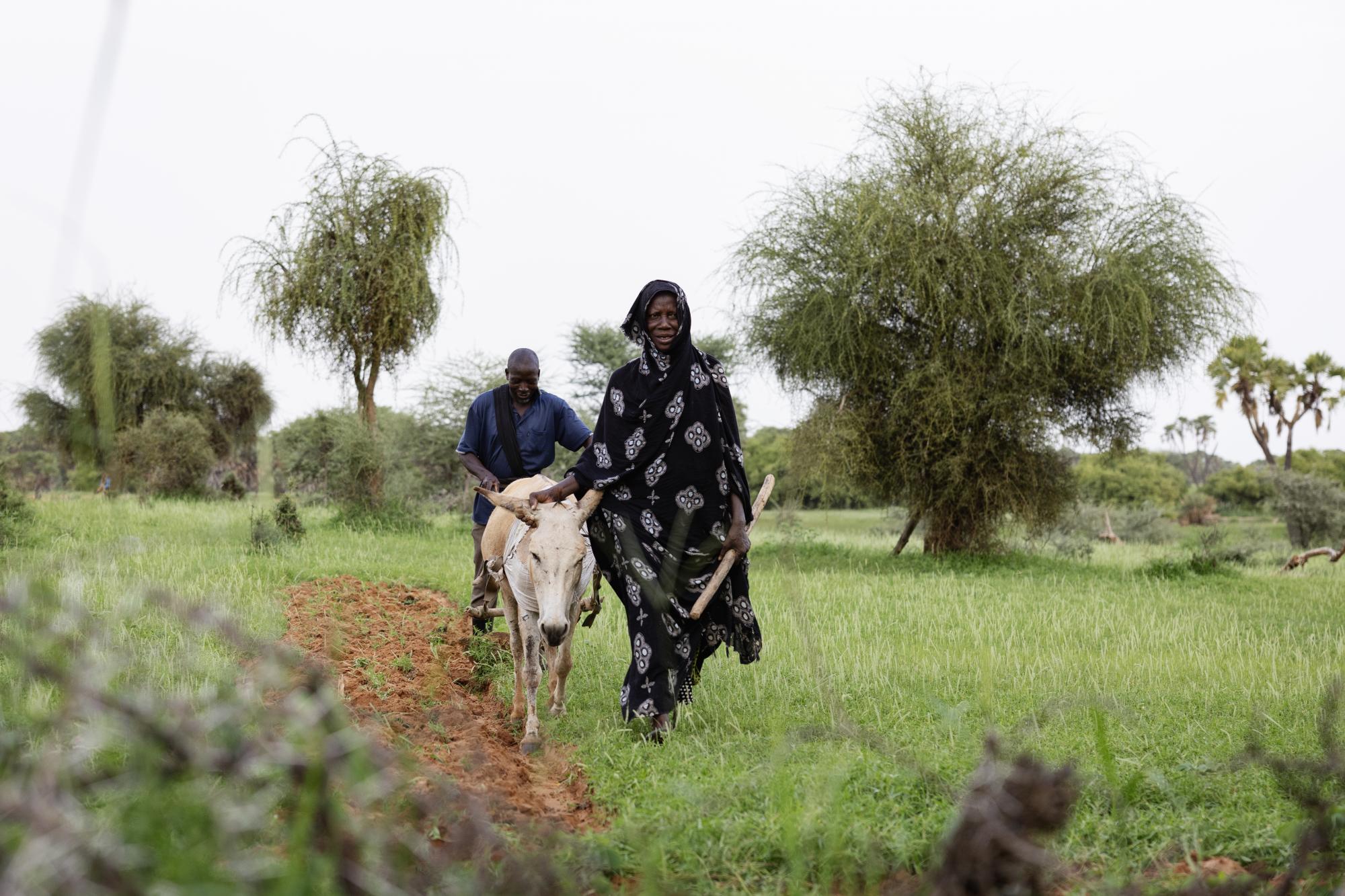
The images depict key elements of this transformation: the restoration and maintenance of dams, gabions, and contour-aligned stone lines that control erosion, promote water infiltration in the soil and facilitate water storage. Further images show the restored benefits: formerly barren land now support crop cultivation, and livestock graze on regenerated pastures. Aerial views reveal lush vegetation emerging from previously eroded gullies and around seasonal basins. As dammed water gradually recedes, fertile soils are exposed along the basin edges, offering productive land for cultivation.
Management of these shared resources is carried out by village-based committees, embedded within the community. These committees manage funds collected through local contributions to organize maintenance, coordinate seasonal work efforts, and oversee the equitable allocation of newly available fertile land. Access is typically based on each household’s available workforce, encouraging stewardship and preventing conflict. Observations indicate that resource pooling, such as communal repair fund, contributes to the longevity of the infrastructure. The impacts are tangible. Where runoff once caused degradation, water now infiltrates and nourishes the land. Crop yields have improved, and grazing areas are more resilient.
By coupling biophysical restoration with community governance, this approach demonstrates the potential of locally led strategies to holistically manage the landscape. It demonstrates that degraded lands can be turned into resilient socio-ecological systems, supporting food security, environmental health, and climate adaptation in the Sahel and beyond.
This community-led governance of rural infrastructure aiming at restoring degraded rangelands in Mauritania was initiated and supported by Vétérinaires Sans Frontières Belgium (VSF-B).
Photos copyright (see photo titles and metadata):
© Thomas Cytrynowicz / VSF
© Emilie Tricot / VSF